
Selecting the right shower size is one of the most critical decisions in bathroom design and remodeling. Whether you’re planning a full bathroom renovation or simply upgrading your existing shower, understanding standard dimensions, building code requirements, and modern design trends will ensure your investment delivers both functionality and lasting value. This comprehensive guide explores everything you need to know about standard shower sizes in 2026, helping you create a bathroom space that perfectly balances comfort, accessibility, compliance, and style.
The shower industry has evolved significantly, with homeowners now prioritizing spa-like experiences and accessibility features alongside traditional functionality. According to the 2026 Bath Trends Report from the National Kitchen and Bath Association, 89 percent of homeowners are seeking to minimize grout lines and maximize comfort in their shower spaces. As we move into 2026, the emphasis has shifted toward larger, more luxurious shower installations that accommodate aging-in-place design principles while maintaining contemporary aesthetics.
The cornerstone of successful shower design in 2026 is choosing dimensions that balance code compliance, comfort, and on-trend aesthetics. While a 36×36 inch shower is the practical minimum for everyday comfort and 60×30–60×32 inches remains the standard tub-replacement size, homeowners are increasingly moving toward larger, walk-in, curbless showers that support aging in place and feel like a private spa. Design trends for 2026 emphasize spa-inspired features, large-format or slab surfaces with minimal grout, warm earth tones, mixed metal finishes, and integrated seating and storage, all supported by proper waterproofing, drainage, and ventilation to ensure long-term performance.
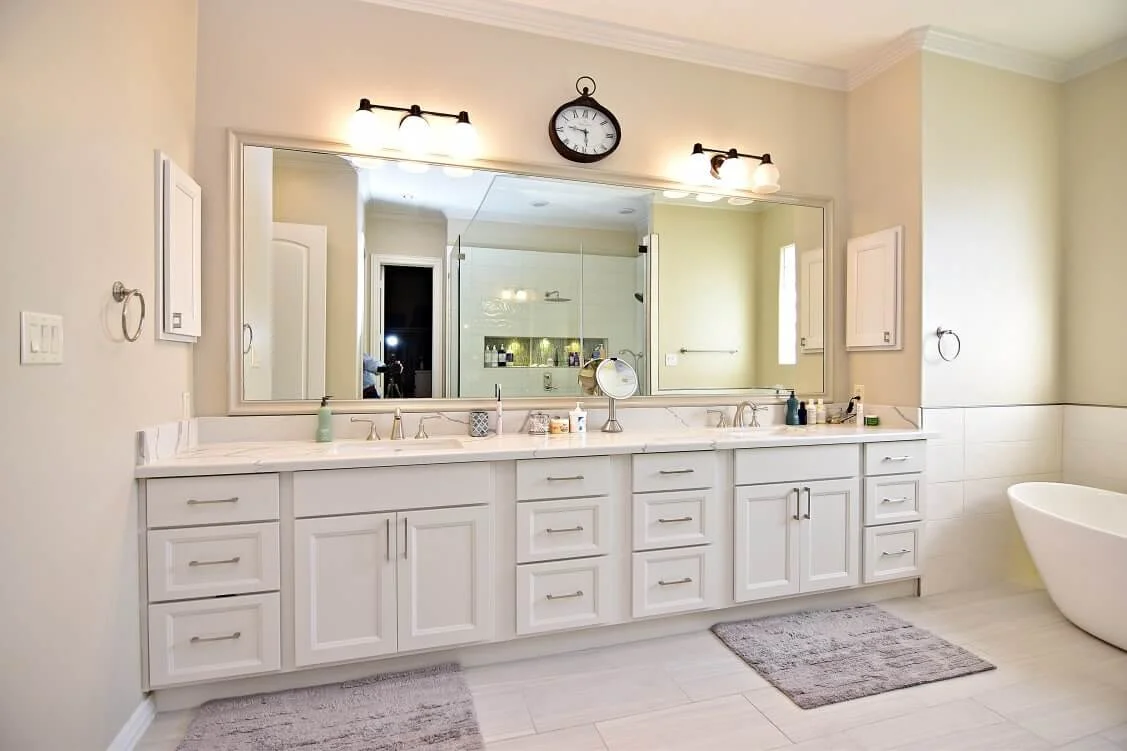
10 Key Takeaways for Optimal Sizes and On‑Trend Shower Design in 2026
Comfort Starts at 36×36 Inches, Not at Code Minimum
Code allows showers as small as 30×30 inches, but 36×36 inches is the realistic baseline for comfortable daily use—especially as homeowners expect spa-like experiences rather than just “functional” showers.
60×30 and 60×32 Inch Showers Remain the Workhorse Sizes
The most common rectangular dimensions, 60×30 or 60×32 inches, match standard bathtub footprints, making them the go-to sizes for tub-to-shower conversions while aligning with mainstream market expectations.
Larger Walk-In Showers Are the 2026 Must‑Have Feature
Walk-in showers are now the focal point of modern bathrooms, with many 2026 projects targeting 48×36, 60×42, or even 72×48 inches to comfortably fit dual heads, benches, or body sprays—key elements of the spa-inspired trend.
Curbless, Accessible Designs Are Trendy and Future‑Proof
Curbless, low-threshold showers are no longer just for accessibility—they’re a top design trend that supports aging in place while delivering a sleek, resort-style look. A 36×36 inch curbless footprint is the minimum, but larger layouts (48×36 and up) perform better for both style and function.
Earth Tones, Textured Surfaces, and Mixed Metals Define the Look
In 2026, bathrooms are moving away from all-white and cool gray. Warm neutrals, clay and terracotta tones, greens, stone textures, microcement, and mixed metal finishes (brass, bronze, black) dominate high-end shower design.
Minimal Grout Is a Major 2026 Priority
Homeowners are actively seeking large-format tiles, porcelain slabs, or grout-free wall systems to reduce maintenance and mold risk. This trend pairs perfectly with expansive walk-in showers because larger surfaces visually enlarge the space while keeping cleaning simple.
Benches, Niches, and Storage Are Now “Standard Features,” Not Extras
Built-in benches (typically 15–18 inches deep) and recessed niches (often 48–60 inches above the floor) have become expected in mid- to high-end 2026 showers, supporting comfort, accessibility, and clean, uncluttered surfaces.
Ventilation and Waterproofing Are Critical Behind the Style
Trendy finishes only last if the structure behind them is correct. Code-compliant mechanical ventilation and full-height waterproofing (to at least about 71 inches or above the shower head) are essential to prevent mold, mildew, and hidden water damage in these larger, more enclosed showers.
Smart and Multi-Head Systems Need More Space and Better Drainage
2026 showers increasingly include digital controls, rainfall heads, body sprays, and high-flow systems, which require larger footprints and properly sized drains—often linear drains—to handle the increased water volume without pooling.
Professional Installation Protects Both Trend and Investment
As showers become bigger, curbless, and more feature-rich, professional installation is non-negotiable. Labor typically makes up 40–60% of total shower cost, but ensures correct slope, waterproofing, ventilation, and glass support—critical for long-term durability and resale value in an on-trend 2026 bathroom
Understanding Standard Shower Dimensions

Standard shower sizes encompass a wide range of dimensions designed to accommodate various bathroom layouts, user needs, and budget considerations. The term “standard” doesn’t refer to a single universal size but rather to a spectrum of commonly manufactured dimensions that builders and designers rely on for most residential applications.
Minimum Code Requirements
The International Residential Code (IRC) establishes fundamental requirements for shower compartments to ensure safety and usability. According to IRC Section P2708.1, showers must have a minimum interior dimension of 30 inches by 30 inches, providing at least 900 square inches of floor space. Additionally, building codes mandate a minimum ceiling height of 80 inches (6 feet 8 inches) above the shower area, with this height requirement extending across a 30-inch by 30-inch area in front of the shower head.
Critical clearance requirements include a minimum of 24 inches of unobstructed space in front of the shower opening to allow comfortable entry and exit. These dimensions represent absolute minimums; most design professionals recommend exceeding these specifications for improved comfort and functionality.
Small Format Showers
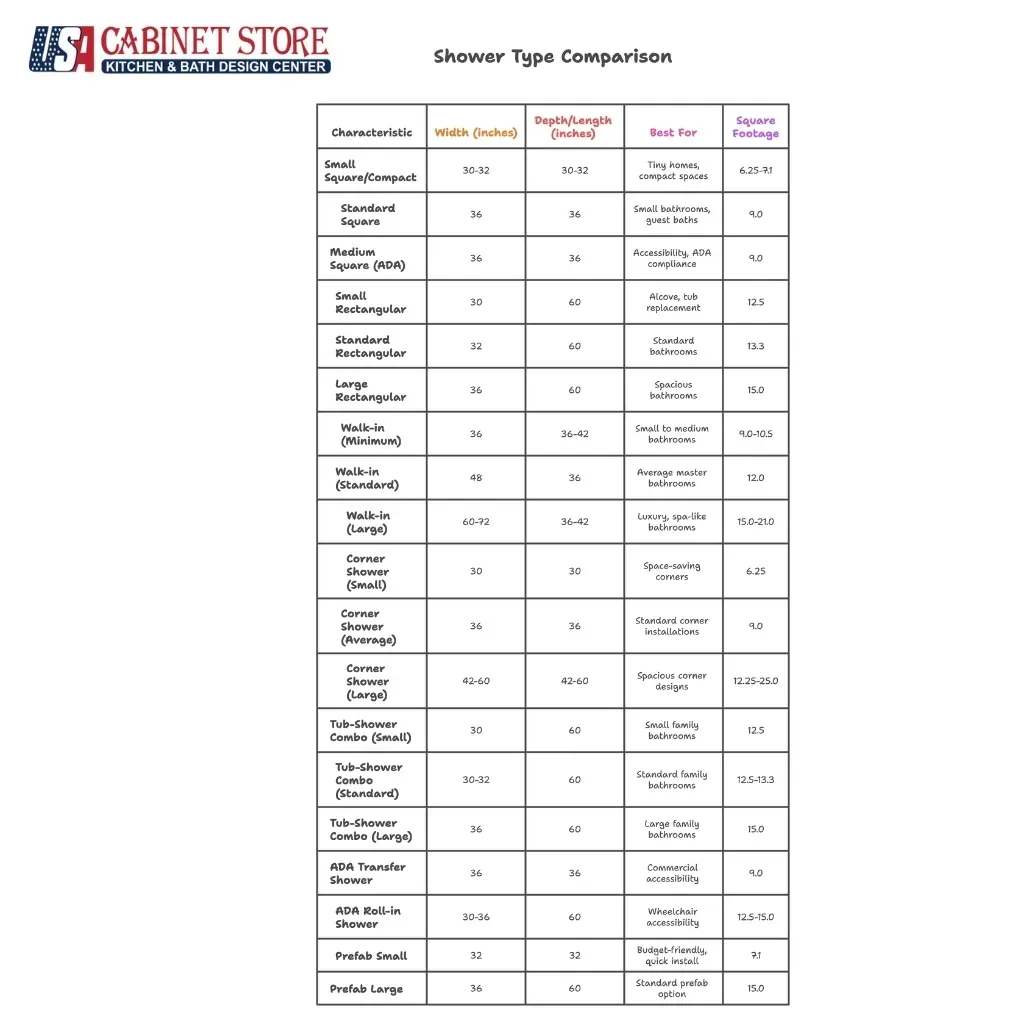
Compact shower options are ideal for space-constrained environments such as tiny homes, guest bathrooms, and apartment conversions. The smallest practical shower measures 30 inches by 30 inches, though this tight configuration provides minimal maneuvering room. A more comfortable small shower dimension is 32 inches by 32 inches, which offers approximately 7.1 square feet of interior space.
For slightly larger applications, the 36-inch by 36-inch square shower has become the recommended minimum for comfortable daily use. This configuration provides 9 square feet of interior space and represents the threshold dimension recognized by the Americans with Disabilities Act (ADA) for transfer showers in commercial applications. The additional six inches in each direction compared to the absolute minimum makes a substantial difference in user comfort and ease of movement.
Standard Rectangular Showers
Rectangular shower configurations remain the most popular choice for residential bathrooms, particularly when replacing existing bathtubs. The most common rectangular shower size measures 60 inches long by 30 inches wide, matching the exact footprint of a standard alcove bathtub. This dimension facilitates straightforward tub-to-shower conversions without requiring extensive structural modifications or replumbing.
The 60-inch by 32-inch variant offers slightly more width while maintaining the same length, providing approximately 13.3 square feet of shower space. For homeowners seeking additional comfort without dramatically expanding the shower footprint, the 60-inch by 36-inch option delivers 15 square feet of space and accommodates taller users more comfortably. These rectangular dimensions work particularly well in alcove installations where the shower is enclosed on three sides by existing bathroom walls.
Walk-In Shower Dimensions
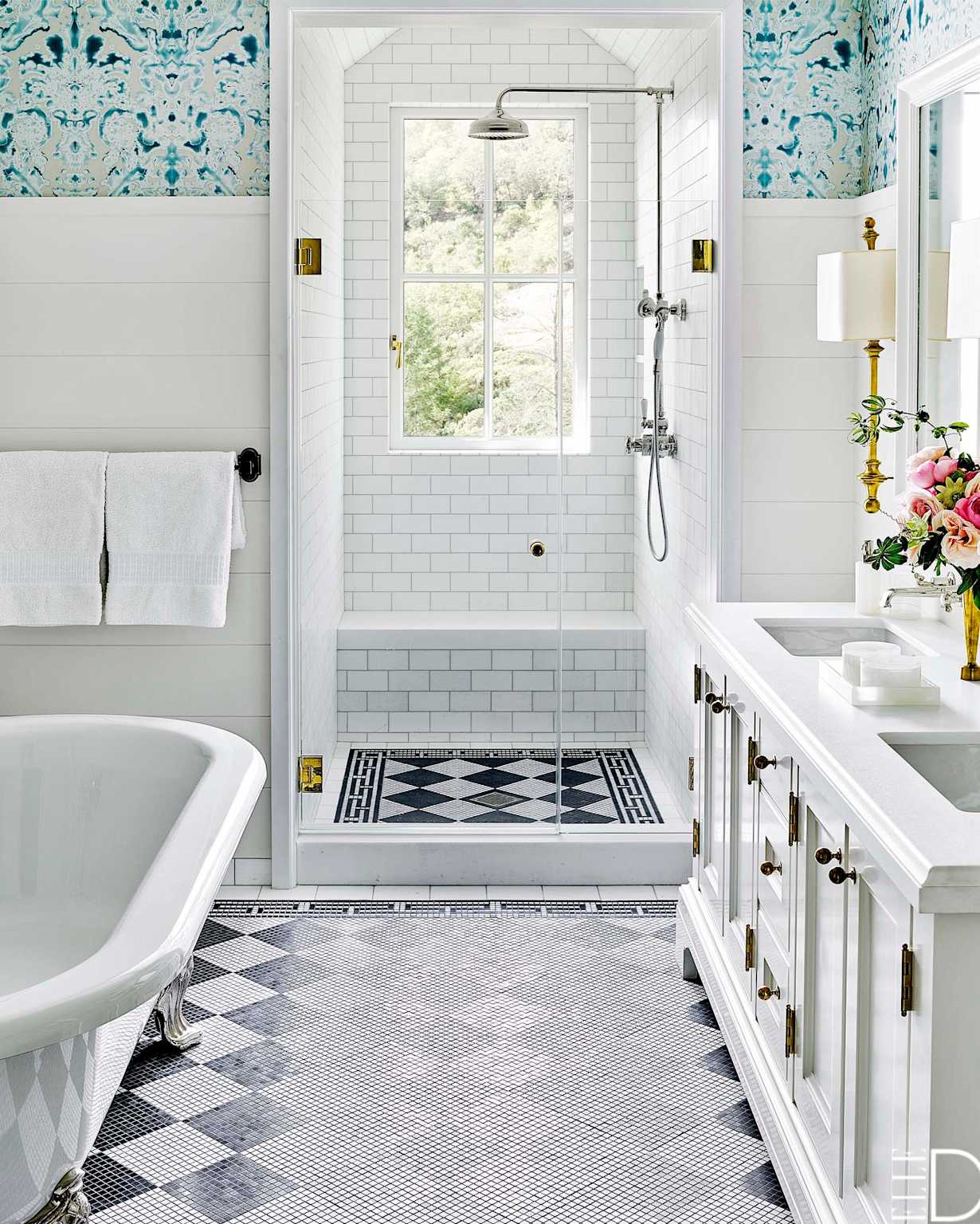
Walk-in showers represent a growing segment of the bathroom remodeling market, offering accessibility, contemporary aesthetics, and luxurious bathing experiences. The minimum recommended size for a walk-in shower is 36 inches by 36 inches, though this compact configuration works best for smaller bathrooms where space is at a premium.
The average walk-in shower in American homes measures 60 inches by 30 inches, providing sufficient space for comfortable movement while fitting within standard bathroom layouts. For enhanced comfort and the ability to incorporate premium features such as built-in benches, multiple shower heads, or body sprays, dimensions of 48 inches by 36 inches (12 square feet) or 60 inches by 42 inches (17.5 square feet) are increasingly popular.
Luxury and master bathroom applications often feature walk-in showers ranging from 60 inches by 42 inches up to 72 inches by 48 inches or larger. These spacious configurations provide room for dual shower heads, integrated seating, and sophisticated steam shower systems. Custom walk-in showers can extend even further, with dimensions tailored to specific bathroom configurations and homeowner preferences.
Corner Shower Specifications
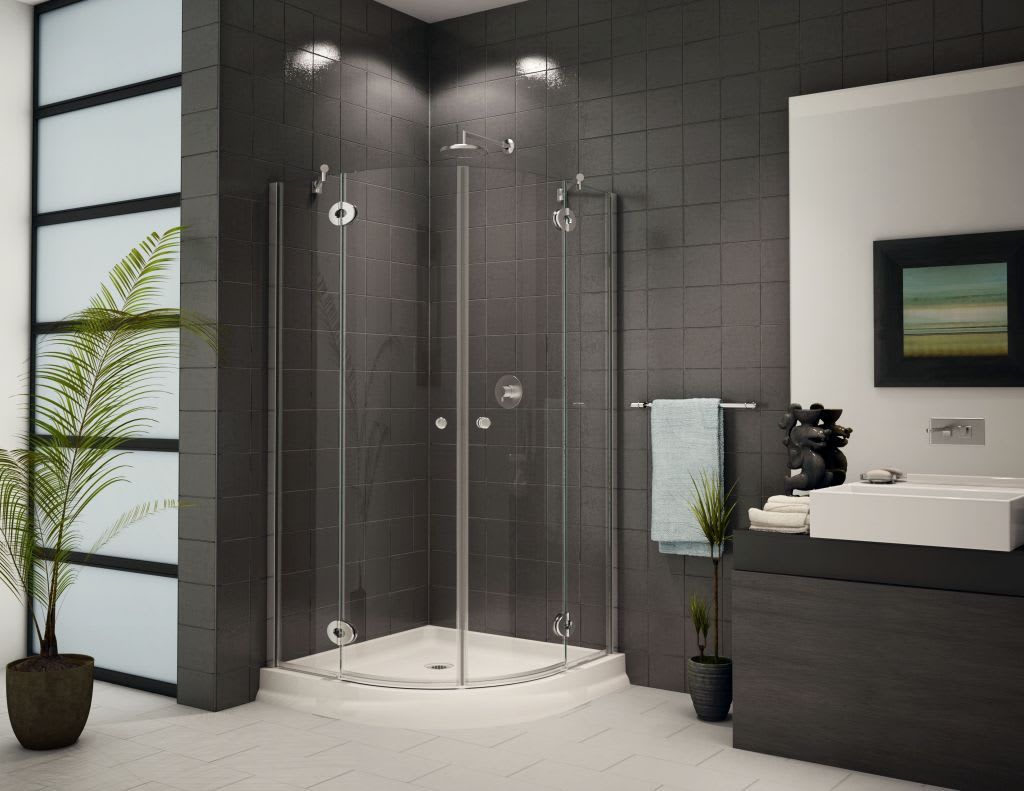
Corner showers maximize space efficiency by utilizing bathroom corners that might otherwise remain underutilized. These configurations work exceptionally well in smaller bathrooms where floor space is limited but adequate corner dimensions exist.
The smallest corner showers measure 30 inches by 30 inches, providing a compact solution for very tight spaces. More commonly, corner showers are specified at 36 inches by 36 inches, offering improved comfort while maintaining space efficiency. This dimension provides the same 9 square feet of interior space as a standard square shower but often feels more open due to the angled entry configuration.
Shower-Tub Combination Dimensions
Combination shower-tub units remain a practical choice for family bathrooms where both bathing and showering functionality is desired. The standard dimensions for a tub-shower combo are 60 inches long, 30 to 32 inches wide, and 72 to 74 inches tall for complete prefabricated units.
Small tub-shower combinations measure 60 inches by 30 inches, providing 12.5 square feet of tub floor space. Standard combinations at 60 inches by 32 inches offer slightly more width at 13.3 square feet. Larger tub-shower combos measuring 60 inches by 36 inches deliver 15 square feet of space, accommodating larger users more comfortably and facilitating easier bathing of children and pets.
The height dimension of 72 to 74 inches accounts for the floor-to-ceiling wall panels or tile work that enclose the combination unit. Prefabricated tub-shower combinations typically include integrated wall surrounds, simplifying installation and providing cost-effective solutions for bathroom renovations.
ADA Compliance and Accessibility Standards
Understanding accessibility requirements is essential for commercial applications and increasingly important for residential projects as homeowners plan for aging in place. The Americans with Disabilities Act establishes specific dimensional and feature requirements for accessible showers.
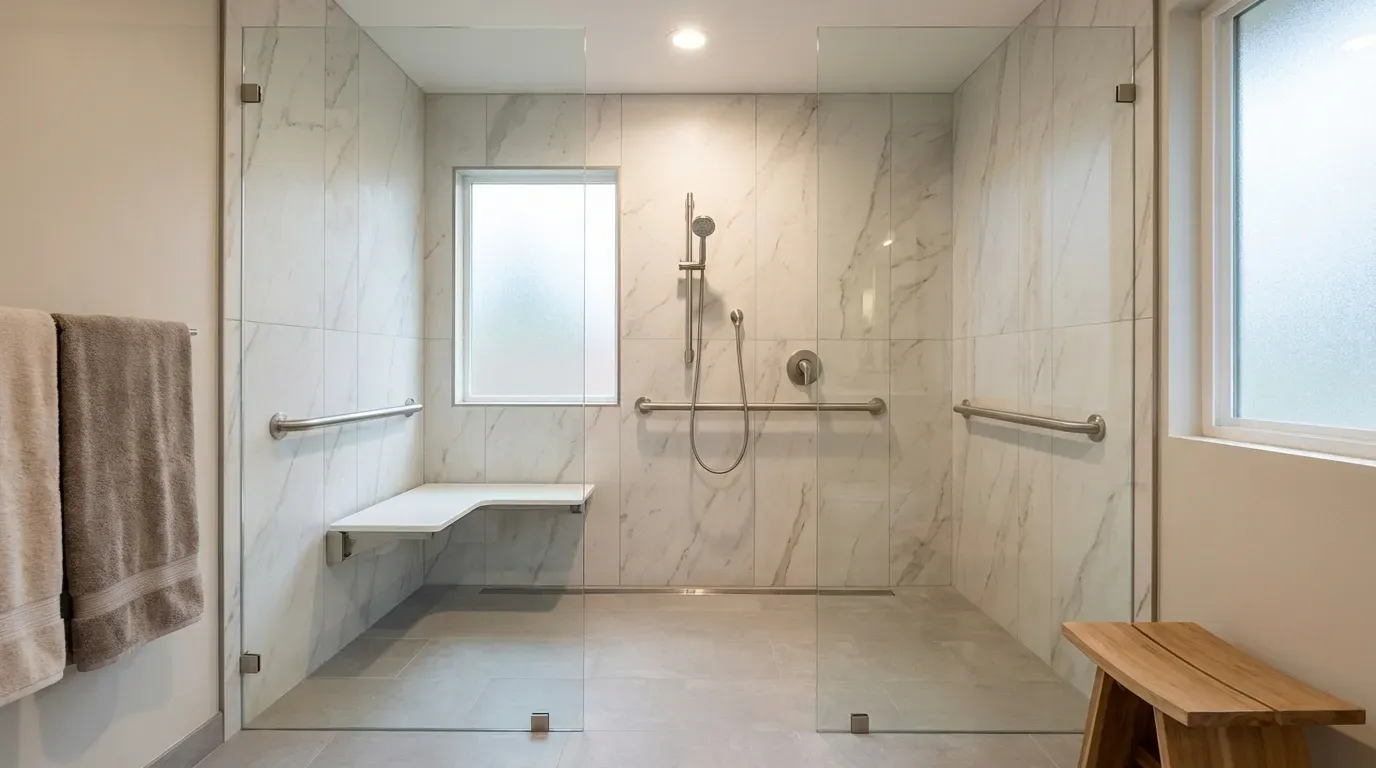
Understanding accessibility requirements is essential for commercial applications and increasingly important for residential projects as homeowners plan for aging in place. The Americans with Disabilities Act establishes specific dimensional and feature requirements for accessible showers.
Transfer Shower Requirements
ADA transfer showers must measure exactly 36 inches by 36 inches in clear interior dimensions, measured at the center points of opposing sides. The standard provides no construction tolerance for these dimensions, making precise installation critical. Transfer showers require a 36-inch minimum entry width on the shower face and a minimum clear floor space of 36 inches wide by 48 inches long measured from the control wall, allowing wheelchair approach and transfer onto the built-in shower seat.
Grab bars are mandatory in transfer showers, with horizontal bars mounted 33 to 36 inches above the finished floor and spanning the control wall and back wall to 18 inches from the control wall. The shower threshold cannot exceed one-half inch in height to facilitate wheelchair access.
Roll-In Shower Specifications
Standard roll-in showers accommodate wheelchair users who remain in their mobility devices while showering. These configurations require minimum interior dimensions of 30 inches wide by 60 inches deep with a 60-inch wide entry, plus an adjacent clear floor space of 30 inches by 60 inches.
Alternate roll-in showers measure 36 inches wide by 60 inches deep with a 36-inch wide entry at one end of the long side. These configurations include a short wall with an integrated seat, offering a hybrid solution between transfer and standard roll-in designs. Roll-in showers must feature barrier-free thresholds not exceeding one-half inch in height.
Grab bars in roll-in showers install on the back wall and side wall opposite the seat, never above the seat itself. Proper grab bar placement ensures users can safely enter, exit, and maintain balance throughout the showering process.
Residential Accessibility Considerations
While ADA requirements technically apply only to commercial and public facilities, incorporating accessibility features into residential shower design provides long-term value and functionality. Curbless or low-threshold walk-in showers with dimensions of at least 36 inches by 36 inches accommodate wheelchairs, walkers, and mobility aids while maintaining contemporary aesthetics.
Built-in seating, non-slip flooring with proper drainage slopes, strategically placed grab bars, and handheld shower heads with adjustable height mounts all contribute to accessible shower design. These features benefit all users, not just those with mobility limitations, by enhancing safety and convenience for children, elderly family members, and anyone recovering from temporary injuries.
Shower Base and Threshold Dimensions
The shower base or pan forms the foundation of any shower installation, directly influencing the final interior dimensions and overall functionality. Standard shower bases are commonly available in sizes matching popular shower dimensions: 32 inches by 32 inches and 36 inches by 36 inches for square configurations, with rectangular options including 30 inches by 60 inches, 32 inches by 60 inches, and 36 inches by 60 inches.
The width of shower thresholds typically ranges from 30 to 60 inches, shaping both the shower’s width and its fit within the bathroom layout. Prefabricated shower bases cannot be smaller than 30 inches square (900 square inches) according to building code requirements. Custom-tiled showers offer greater flexibility, with bases built to specific dimensions that can extend well beyond standard sizes.
Modern shower design increasingly favors low-profile thresholds or completely curbless entries. Standard threshold heights range from 2 to 4 inches above the finished bathroom floor, while ADA-compliant and curbless designs limit threshold height to a maximum of one-half inch. The reduced threshold height facilitates easier access and creates a seamless visual transition between the shower and the rest of the bathroom.
Proper shower base slope is critical for effective drainage and preventing water accumulation. Building codes require a minimum continuous fall of 1 in 80 (approximately 1/4 inch per foot) to the drain, with a maximum continuous fall of 1 in 50. This gradual slope ensures complete water evacuation while maintaining a comfortable standing surface.
Door and Entry Clearances
Shower door dimensions and swing requirements significantly impact bathroom layout planning and overall functionality. The clear opening width of a shower door should provide comfortable access while preventing water escape.
Minimum Opening Requirements
Building codes require a minimum clear shower opening of 22 inches to comply with basic safety standards. However, this dimension represents an absolute minimum suitable only for the most space-constrained installations. For increased accessibility and user comfort, particularly in households with elderly individuals or those with mobility limitations, the minimum clear opening should measure at least 32 inches.
Most corner shower glass doors range from 22 to 36 inches in width. If the shower door width exceeds 36 inches, a second door panel typically becomes necessary to provide adequate structural support. Walk-in showers without doors require careful planning to ensure the opening width and position prevent water spray from escaping the shower area.
Door Swing Considerations
Shower doors must swing outward from the shower enclosure for safety reasons, allowing someone who has fallen in the shower to be accessed from outside. This outward swing requires adequate clearance space in the bathroom, with a minimum of 30 inches of clear floor space needed for the door’s arc of movement.
Sliding glass doors and enclosures offer space-saving alternatives for bathrooms where hinged door swing clearance is limited. Sliding doors don’t require additional clearance beyond the shower footprint itself, though they do reduce the effective opening width slightly due to panel overlap. Bi-fold shower doors provide another compact solution, folding in on themselves to minimize clearance requirements.
For bathrooms with sufficient space, pivot doors create an elegant entry with wider opening capabilities. However, pivot doors require the most clearance, typically needing at least 32 to 34 inches of swing space outward from the shower opening. The choice between hinged, sliding, pivot, or bi-fold door configurations should account for bathroom layout, fixture placement, and user access needs.
Prefabricated vs. Custom Shower Options
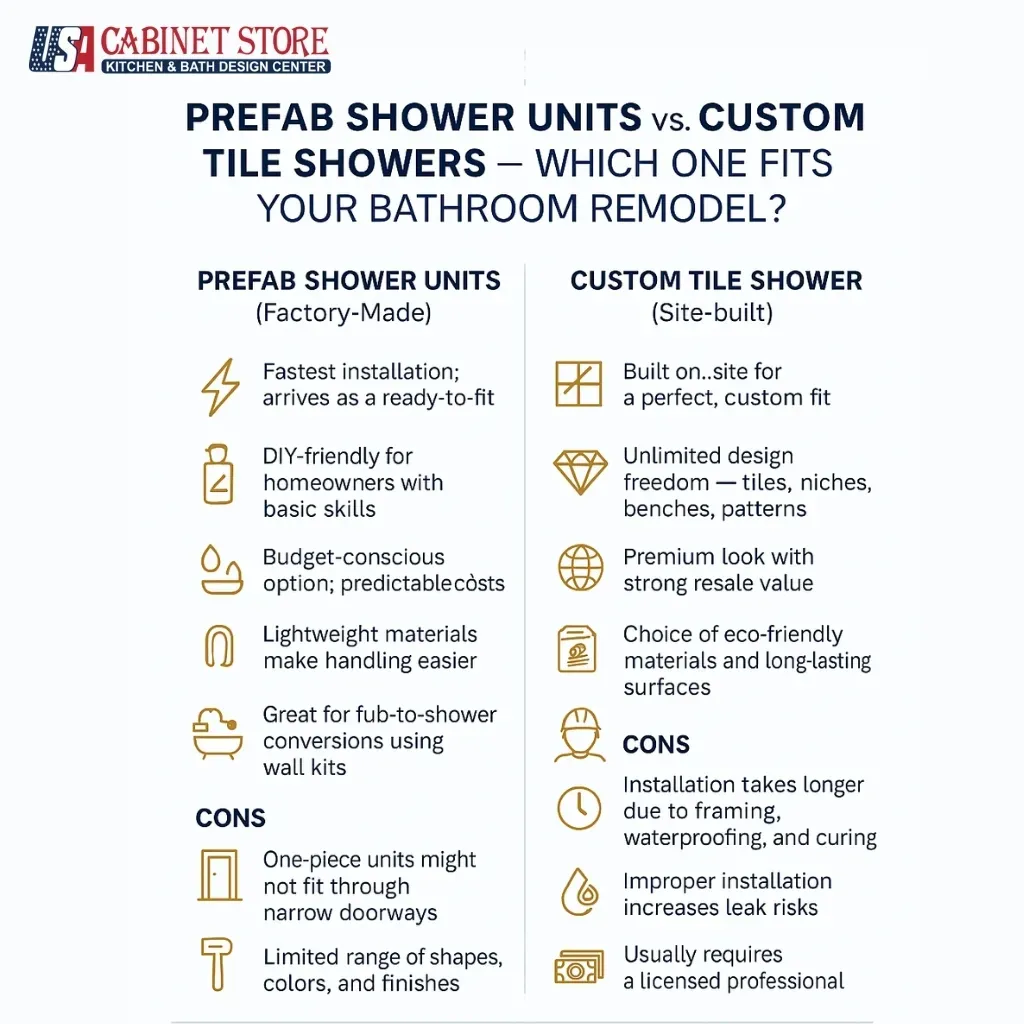
The decision between prefabricated and custom shower installations involves tradeoffs between cost, installation complexity, design flexibility, and long-term maintenance considerations.
Prefabricated Shower Units
Prefabricated or pre-fab showers consist of factory-manufactured bases and wall panels designed for straightforward installation. These units are available in standard sizes ranging from compact 32-inch by 32-inch configurations to larger 36-inch by 60-inch options. Small prefab showers typically measure 32 inches by 32 inches (approximately 813 mm by 813 mm), while large prefab units measure 36 inches by 60 inches (914 mm by 1524 mm).
The primary advantages of prefabricated showers include significantly lower material costs, typically ranging from $250 to $2,900 for a complete kit excluding installation. Installation complexity is reduced compared to custom tile work, with most prefab units installable in a single day, resulting in labor costs of approximately $400 to $1,500 for supply and installation. Prefabricated units feature integrated waterproofing, eliminating concerns about membrane application and reducing the risk of water damage.
Limitations of prefabricated showers include restricted size options limited to manufacturer standard dimensions, inability to accommodate non-standard bathroom configurations, and aesthetic constraints compared to custom tile designs. However, modern prefabricated units offer increasingly sophisticated designs, finishes, and features that rival custom installations.
Custom Tiled Showers
Custom tiled showers provide maximum design flexibility, accommodating virtually any bathroom configuration and personal aesthetic preference. Dimensions for custom showers begin at the code-required 30-inch by 30-inch minimum but can extend to any size the bathroom layout will accommodate.
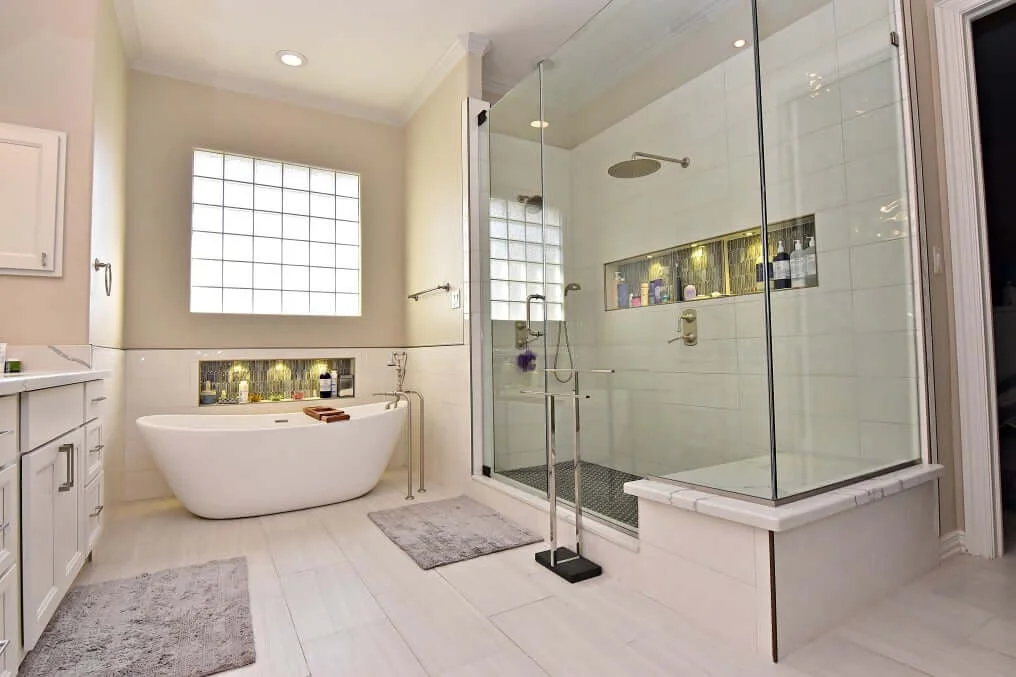
Typical custom walk-in shower dimensions start at 36 inches by 42 inches and can stretch to 48 inches by 48 inches or substantially larger for luxury applications. Custom showers allow homeowners to incorporate architectural features such as recessed niches, built-in benches, multiple shower heads, steam capabilities, and sophisticated lighting systems.
Material costs for custom showers range from $1.25 to $200 per square foot depending on tile selection, fixtures, and feature complexity. Total installation costs including materials and labor typically range from $6,000 to $12,000, with luxury installations potentially exceeding $16,000. The higher cost reflects skilled labor requirements for tile setting, waterproofing membrane application, and custom finishing work.
Custom showers require meticulous waterproofing to prevent moisture damage. Current building code requirements mandate waterproofing the entire water-resistant wall lining in shower areas to a minimum height of 1800 mm (approximately 71 inches) above the finished floor level or 50 mm (2 inches) above the shower rose, whichever is higher. The shower floor must be completely waterproofed with proper slope to the drain.
Critical Design Factors for Optimal Shower Selection
Selecting the appropriate shower size requires balancing multiple considerations beyond basic dimensional requirements. Understanding these factors ensures your shower installation meets practical needs while enhancing bathroom functionality and value.
Available Bathroom Space
Accurately measuring available bathroom space represents the essential first step in shower selection. This process involves more than calculating total room area; you must consider how the shower integrates with other fixtures, door swings, and traffic flow patterns.
For bathrooms with limited square footage, corner showers conserve valuable floor space while providing adequate showering area. A complete “three in a row” bathroom layout placing the sink vanity, toilet, and shower-tub combo along one wall can fit within a 5-foot by 8-foot space (approximately 1.5 m by 2.4 m). This efficient configuration places all plumbing along a single wall, minimizing installation costs.
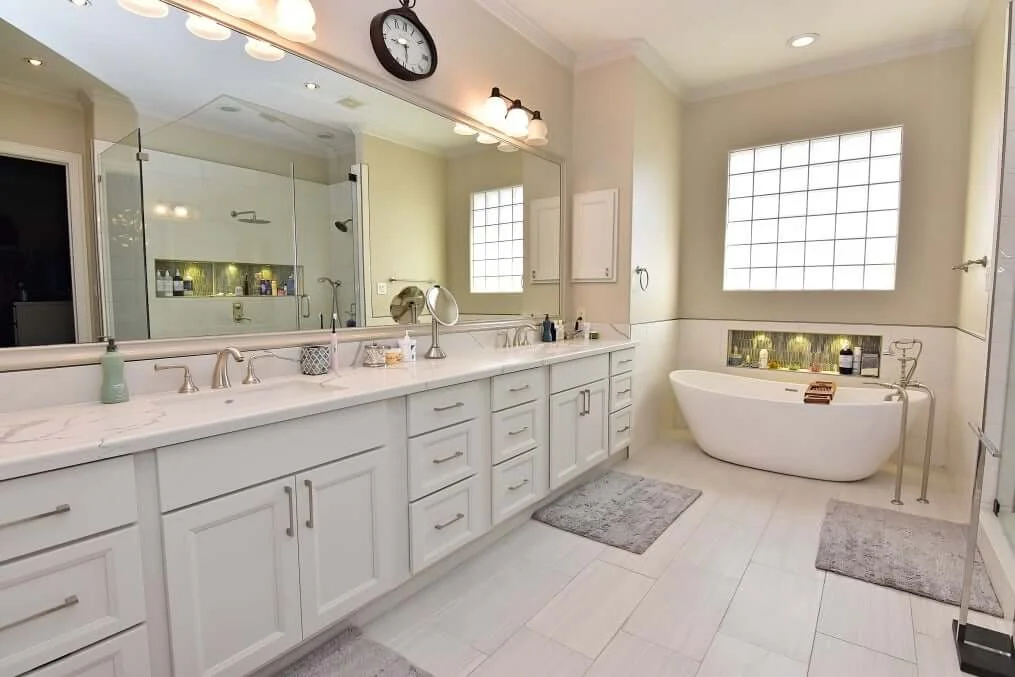
Larger bathrooms accommodate more generous shower dimensions and additional features. Bathrooms exceeding 80 square feet can incorporate separate walk-in showers and freestanding bathtubs, dual vanities, and ample storage. Master bathrooms above 100 square feet allow for luxury features including oversized walk-in showers with dual shower heads, steam capabilities, and built-in seating.
The relationship between shower size and overall bathroom proportions affects how spacious the room feels. Disproportionately large showers can overwhelm small bathrooms, while undersized showers appear cramped in expansive spaces. Professional designers recommend allocating 30 to 40 percent of total bathroom floor area to shower space in dedicated shower bathrooms, or 20 to 30 percent when bathtubs are also present.
User Comfort and Ergonomics
Physical comfort during showering depends on adequate space for natural movement, turning, bending, and reaching. While code-minimum 30-inch by 30-inch showers meet legal requirements, most users find dimensions of at least 36 inches by 36 inches necessary for comfortable daily use.
Taller individuals, those with larger body types, and users with mobility considerations require more generous dimensions. A 48-inch by 36-inch shower provides sufficient space for most users to move freely without repeatedly contacting walls or shower doors. The 60-inch by 42-inch configuration accommodates built-in seating and allows caregivers to assist users who need bathing support.
Household composition influences optimal shower sizing. Families with young children benefit from larger showers that facilitate parent-child bathing assistance. Pet owners appreciate additional space for bathing dogs and cats. Couples who occasionally shower together require dimensions of at least 48 inches by 36 inches for comfortable dual occupancy.
Functional Requirements and Features
Intended shower features and fixtures directly impact necessary dimensions. Standard single shower heads function adequately in compact spaces, while rainfall shower heads, body sprays, dual shower systems, and handheld units require larger footprints to accommodate multiple users and spray patterns.
Built-in seating requires additional depth, with most integrated benches measuring 15 to 18 inches deep. A shower incorporating a built-in bench should measure at least 60 inches by 42 inches to maintain comfortable standing room alongside the seating area. Steam shower systems need enclosed spaces to contain vapor effectively, with typical dimensions starting at 48 inches by 36 inches.
Storage solutions including recessed niches, corner shelves, and built-in caddies occupy wall space without reducing functional shower area. Recessed niches should be planned during construction or renovation to avoid disrupting waterproofing membranes. Planning adequate storage prevents shower floor clutter and maintains clean, safe surfaces.
Budget Considerations
Shower installation costs vary dramatically based on size, materials, features, and complexity. Understanding budget implications helps homeowners make informed decisions aligned with financial constraints and value priorities.
Prefabricated shower units represent the most budget-friendly option, with complete kits ranging from $400 to $2,000 and total installation costs between $1,150 and $8,000 for standard walk-in configurations. Tub-to-shower conversions using prefab components cost $1,200 to $8,000, depending on scope and fixture quality.
Custom tiled showers cost substantially more due to material selection flexibility and skilled labor requirements. Standard custom shower installations average $8,197, with most projects falling between $4,443 and $12,365. Luxury custom showers incorporating premium tiles, multiple shower heads, steam systems, and sophisticated lighting can exceed $16,000.
Size directly impacts material and labor costs, with larger showers requiring more tile, waterproofing membrane, fixtures, and installation time. A standard 32-inch by 32-inch prefabricated shower costs approximately $1,150 ($210 per square foot), while a 30-inch by 60-inch tub-shower combo costs around $3,000 ($240 per square foot). Custom installations typically cost $1.25 to $200 per square foot for materials alone, depending on selections.
Labor accounts for 40 to 60 percent of total project costs. Professional installation ensures proper waterproofing, code compliance, and long-term durability, protecting your investment against costly water damage repairs. Attempting DIY installation of complex shower systems risks improper waterproofing and code violations that compromise safety and home value.
Long-Term Resale Value
Bathroom renovations significantly impact home resale value, with shower quality and design influencing buyer perceptions. Modern, well-designed showers appeal to contemporary homebuyers prioritizing spa-like amenities and accessibility features.
Walk-in showers have become increasingly desirable, with the 2026 Bath Trends Report indicating that most homeowners now prefer showers over bathtubs. Large, accessible walk-in showers with curbless entries, attractive tile work, and quality fixtures command buyer attention and justify premium pricing.
Accessibility features once associated exclusively with aging or disability now appeal to broad market segments. Curbless showers, built-in seating, handheld shower heads, and grab bars integrated into attractive designs demonstrate forward-thinking planning without institutional aesthetics. These features accommodate multigenerational households and aging-in-place preferences increasingly common among buyers.
Timeless design choices maximize long-term appeal. While trendy colors, patterns, and finishes may look striking initially, classic materials and neutral palettes maintain broader appeal over time. Natural stone-inspired tiles, quality brushed metal fixtures, and clean lines transcend temporary design fads.
Common Shower Design Mistakes to Avoid
Understanding frequent design errors helps homeowners avoid costly mistakes and ensures shower installations deliver optimal functionality and longevity.
Inadequate Size Planning
The most fundamental error involves selecting shower dimensions too small for comfortable use. While 30-inch by 30-inch showers meet minimum code requirements, these tight configurations provide barely adequate space for average-sized adults. Most users find 36-inch by 36-inch dimensions represent the true minimum for comfortable daily showering.
Failing to account for door swing clearances creates frustrating access problems. Shower doors swinging outward require adequate bathroom floor space, with hinged doors needing at least 30 to 34 inches of clearance. Positioning fixtures, furniture, or other obstacles within this clearance zone prevents doors from opening fully or creates collision hazards.
Ignoring ceiling height over shower heads causes water spray issues and creates claustrophobic feelings. Building codes require 80-inch minimum ceiling height over the 30-inch by 30-inch area in front of shower heads. Tall users and those installing rainfall shower heads benefit from additional ceiling height to ensure comfortable head clearance and proper spray patterns.
Poor Waterproofing Practices
Improper waterproofing represents one of the most costly shower design failures, leading to hidden water damage, mold growth, and structural deterioration requiring expensive remediation. Current building codes mandate comprehensive waterproofing extending to minimum heights of 1800 mm (71 inches) above finished floor levels or 50 mm (2 inches) above shower roses, whichever is higher.
Common waterproofing mistakes include using inadequate or wrong membrane products, failing to properly treat wall and floor junctions, neglecting penetrations for fixtures and accessories, omitting bond breakers at joints and corners, and inadequate substrate preparation before membrane application. Professional installation following manufacturer specifications and building code requirements ensures effective long-term waterproofing.
Taking shortcuts on waterproofing to reduce costs ultimately creates far greater expenses when water damage requires extensive repairs including mold remediation, structural framing replacement, and complete shower reconstruction. Investment in proper waterproofing installation provides essential protection for your home and health.
Insufficient Ventilation
Inadequate bathroom ventilation creates moisture accumulation leading to mold, mildew, surface damage, and poor air quality. Building regulations require bathrooms with baths and showers to have mechanical ventilation systems, typically in the form of extractor fans with minimum extraction rates of 15 liters per second for intermittent systems or 8 liters per second for continuous systems.
Exhaust fans should be installed as high as practicable, with a maximum of 400 mm (approximately 16 inches) below the ceiling. Exhaust outlets must be located to minimize reentry of moist air into the building. Simply opening windows provides insufficient ventilation for most modern bathrooms, particularly in humid climates or during cold weather when opening windows is impractical.
Modern extractor fans with built-in humidity sensors automatically activate when moisture levels rise, ensuring proper ventilation without requiring user intervention. Regular cleaning of fan covers and blades maintains optimal extraction efficiency. Pairing mechanical ventilation with simple habits like wiping down wet surfaces, leaving doors open after showering, and taking slightly cooler or shorter showers further reduces humidity accumulation.
Inadequate Storage Planning
Failure to incorporate sufficient storage results in cluttered shower floors, products sitting on threshold edges, and bottles crowding corners creating tripping hazards and maintenance difficulties. Effective shower storage requires planning during design and construction phases rather than attempting to add solutions afterward.
Recessed niches built into shower walls provide clean, integrated storage without protruding into usable shower space. Standard niche sizes range from 12 inches by 24 inches to 14 inches by 28 inches with 4-inch depth, accommodating standard toiletry bottles. Multiple niches at varying heights serve different users and product types.
Corner shelving, built-in ledges, and integrated caddies offer alternative storage approaches suited to different shower configurations and aesthetic preferences. Glass corner shelves maintain visibility and openness while providing practical storage. Tiled ledges integrated into shower walls create custom storage matching overall design.
Problematic Tile Layouts
Improper tile layout planning creates visually awkward results that diminish overall shower aesthetics. One of the biggest tile installation mistakes involves starting from one edge rather than centering the design, leaving awkward thin slivers of tile at corners or ends. These unbalanced layouts appear unconsidered and disrupt visual harmony.
Failing to account for how tile patterns align at corners, around fixtures, and at transitions creates mismatched patterns and unsightly cuts. Professional tile setters plot complete layouts before installation, ensuring centered patterns, balanced tile cuts, proper alignment around shower valves and drains, and visually pleasing transitions at edges and corners.
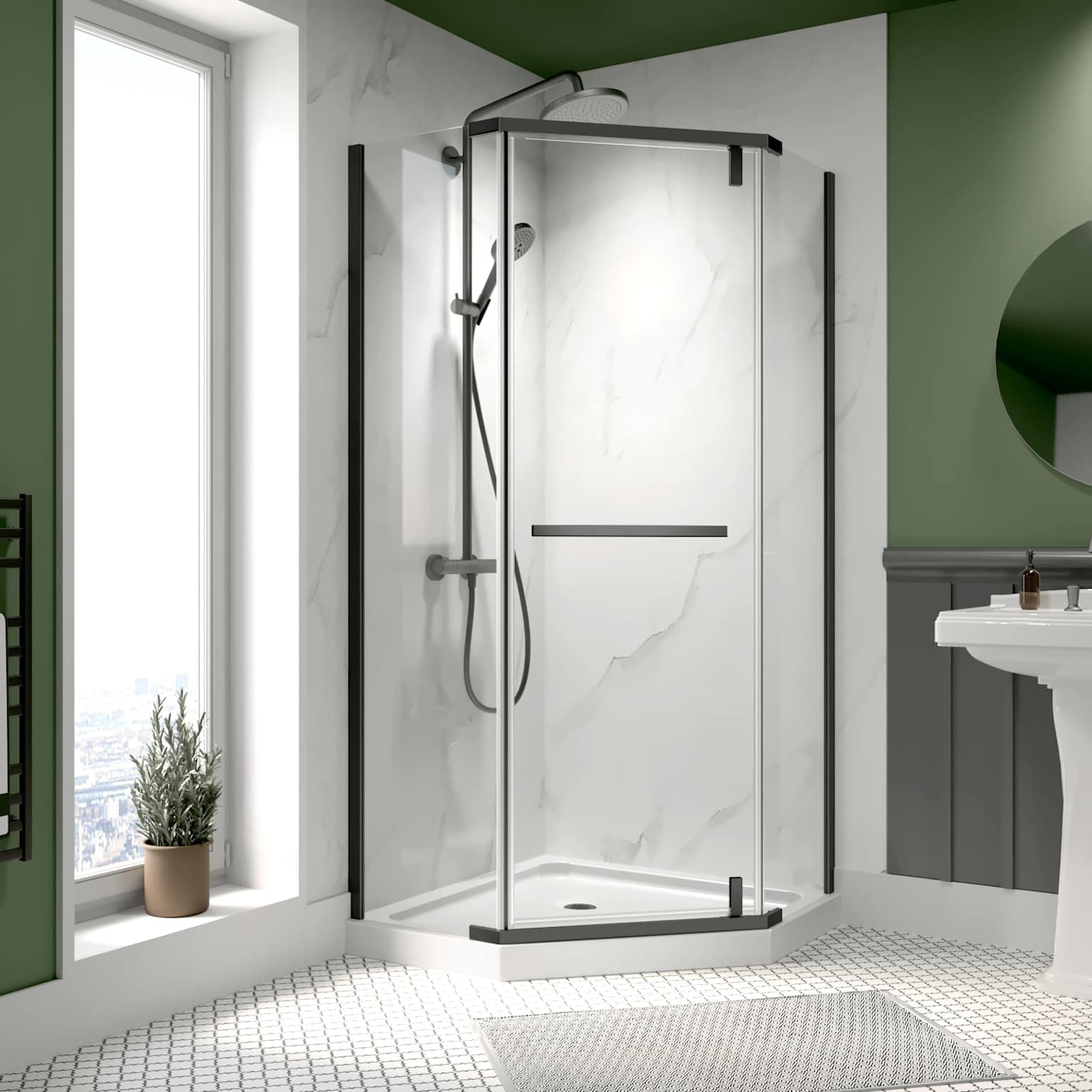
Small tiles require extensive grout lines that trap moisture and demand intensive maintenance. Large format tiles minimize grout while creating cleaner, more modern appearances. Careful grout color selection helps minimize visual impact; matching grout to tile color creates subtle, cohesive looks while high-contrast grout emphasizes tile patterns and grid lines.
Installation and Maintenance Considerations
Proper installation techniques and ongoing maintenance practices ensure shower longevity, performance, and appearance while protecting your home investment.
Professional Installation Requirements
Shower installation involves complex plumbing, electrical, waterproofing, and finishing work requiring specialized skills and knowledge. Licensed plumbers handle water supply connections, drain installations, valve placements, and pressure testing. Electricians certified for wet area work install any electrical components including digital controls, lighting, and ventilation systems.
Professional tile setters ensure proper substrate preparation, waterproofing membrane application, tile layout planning, and grout application. These specialists understand building codes, manufacturer specifications, and best practices for moisture management in wet environments. Attempting DIY installation without appropriate expertise risks improper waterproofing, code violations, fixture malfunctions, and water damage.
Average professional installation costs range from $4,443 to $12,365 for complete shower installations depending on scope and complexity. While representing significant investment, professional installation protects against far more expensive future repairs and ensures warranty coverage for materials and workmanship.
Waterproofing Best Practices
Effective shower waterproofing requires systematic approaches addressing all potential moisture penetration points. Building codes now mandate comprehensive waterproofing including entire shower area walls to specified heights, complete floor coverage with proper slope to drains, all wall-to-wall junctions, all wall-to-floor junctions, penetrations for fixtures and accessories, and bond breakers at movement joints.
Waterproof membranes must comply with AS/NZS 4858:2004 Wet Area Membranes standards (in applicable jurisdictions) and be applied according to manufacturer instructions. Liquid-applied membranes provide flexibility and seamless coverage, while sheet membranes offer robust protection in specific applications.
Substrate selection impacts waterproofing success. Water-resistant plasterboard, fibre cement board, and properly treated cement backer board provide suitable substrates when correctly installed. All joints, corners, and fastener heads in shower areas require treatment with appropriate compounds before membrane application.
Drainage System Design
Proper drainage prevents water accumulation that leads to mold growth and structural damage. Shower floors require continuous fall of minimum 1 in 80 (approximately 1/4 inch per foot) to the drain, with maximum continuous fall of 1 in 50. This gradient ensures complete water evacuation while maintaining safe footing.
Drain placement should account for shower size and layout. Central drains work effectively in square showers, while linear drains positioned along one edge facilitate curbless installations and accommodate various shower shapes. The waterproof membrane must be properly integrated with drain flanges, ensuring watertight connections that prevent leakage.
Shower floors incorporating multiple spray heads or rainfall systems may benefit from larger drain grates with higher flow capacity. Inadequate drain capacity creates standing water during showers, generating slip hazards and hindering proper cleaning.
Ongoing Maintenance Requirements
Regular maintenance preserves shower appearance and functionality while preventing costly repairs. Daily habits including squeegeeing shower walls and doors after use, wiping down surfaces to remove soap residue, leaving doors or curtains open to promote drying, and running exhaust fans during and after showers all minimize moisture accumulation and mold growth.
Weekly cleaning with appropriate products prevents soap scum, hard water deposits, and mildew formation. Grout lines require periodic attention; grout-free shower wall systems like large format slabs, porcelain panels, or acrylic wall surrounds eliminate this maintenance burden. Quarterly inspections should check for caulk deterioration at fixtures and joints, grout cracking or discoloration, fixture leaks or drips, drain flow restrictions, and ventilation fan operation.
Annual professional inspections identify potential issues before they escalate into major problems. Plumbers can assess valve operation, check for hidden leaks, verify proper drainage, and ensure all components function optimally. Prompt attention to minor issues prevents water damage, extends fixture life, and maintains shower appearance.
Bathroom Design Trends for 2026
The bathroom design landscape continues evolving, with 2026 trends emphasizing luxury, wellness, sustainability, and accessibility. Understanding these trends helps homeowners make informed decisions that align with contemporary preferences while maintaining long-term value.

Spa-Inspired Luxury Features
Homeowners increasingly view bathrooms as personal retreats rather than purely functional spaces. NKBA The 2026 Bath Trends Report confirms that luxury shower features have moved from occasional splurges to expected amenities in modern bathroom design.
Extra-large walk-in showers with ample space for premium accessories dominate 2026 bathroom renovations. Popular luxury features include rainfall shower heads with LED lighting and chromotherapy options, body jets providing full-body massage experiences, multiple shower heads offering customizable spray patterns, steam shower functions creating at-home spa experiences, and digital controls for precise temperature and flow management.
Built-in benches have become standard in luxury showers, serving both practical and aesthetic purposes. These integrated seating areas provide comfort during longer showers, facilitate leg shaving and body care routines, accommodate users with mobility limitations, and create architectural interest. Curbless entry designs eliminate traditional shower thresholds, creating seamless visual transitions while improving accessibility.

Minimized Grout Lines and Large Format Tiles
According to recent research, 89 percent of homeowners surveyed want to minimize or eliminate grout lines on shower floors and walls. This preference reflects both aesthetic and practical considerations, as grout lines trap moisture, harbor mold and mildew, require intensive maintenance, and create visual clutter.
Large format tiles measuring 24 inches by 24 inches, 18 inches by 36 inches, or larger create cleaner, more contemporary appearances with significantly fewer grout lines. Some homeowners opt for 13-inch by 30-inch tiles to achieve a modern, updated feel with minimal interruption. Full marble slab showers and materials like tadelac eliminate grout lines almost entirely, creating seamless surfaces that require minimal maintenance.
Porcelain and quartz slabs offer practical alternatives to natural stone, providing durability, water resistance, and easy cleaning properties while achieving the seamless aesthetic of full slab designs. These materials withstand bathroom temperature fluctuations and humidity levels better than some natural stones, reducing long-term maintenance requirements.

Earth Tones and Natural Materials
Color palettes for 2026 bathrooms emphasize warmth and natural inspiration. Browns, terracottas, clay hues, greens, and darker blues replace stark whites and grays that dominated previous design eras. These earth-tone palettes create calming, grounding environments conducive to relaxation and restoration.
Natural textures including Roman clay, lime wash, and microcement appear increasingly on bathroom walls and surfaces. Microcement provides a sleek, seamless finish that works beautifully on walls, floors, and even vanities while maintaining the organic feel trending in contemporary design. Natural stone tiles, wood-look porcelain, and textured surfaces add depth and visual interest while maintaining practical durability.
Biophilic design principles incorporating natural elements continue gaining popularity in bathroom spaces. Living plants that thrive in humid environments, natural light maximization through larger windows or skylights, organic shapes in fixtures and accessories, and natural material selections all contribute to spa-like bathroom environments.
Mixed Metal Finishes
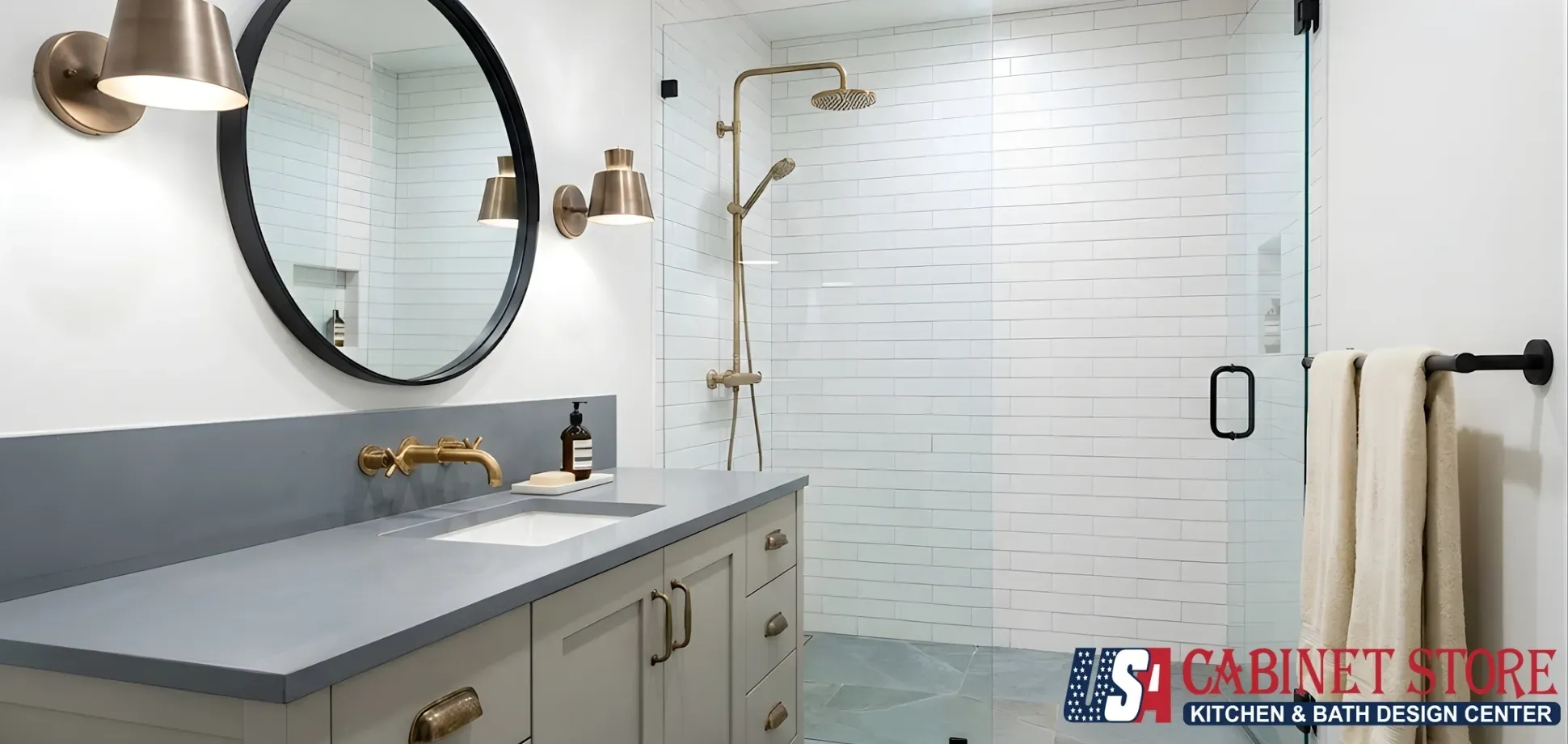
The days of matching all bathroom fixtures to a single metal finish have ended. Contemporary design embraces mixed metals, creating layered, sophisticated looks with visual depth. Popular combinations include brass, bronze, and gunmetal; chrome and brushed gold; matte black and brushed nickel; and copper with oil-rubbed bronze.
Unlacquered brass has gained particular favor for its natural patina development and lived-in, aged appearance that adds character over time. Brushed finishes in bronze and gold add warmth and luxury to bathroom spaces, contrasting effectively with cooler tile and stone selections. Matte black creates bold, modern statements when paired with lighter materials and creates striking contrast in contemporary bathrooms.
Successful mixed metal applications require intentional planning. Designers recommend selecting a dominant finish for major fixtures like faucets and shower heads, introducing secondary finishes through accessories like towel bars and cabinet hardware, and maintaining consistent finish temperatures (warm or cool) for visual harmony.
Freestanding Elements and Sculptural Fixtures
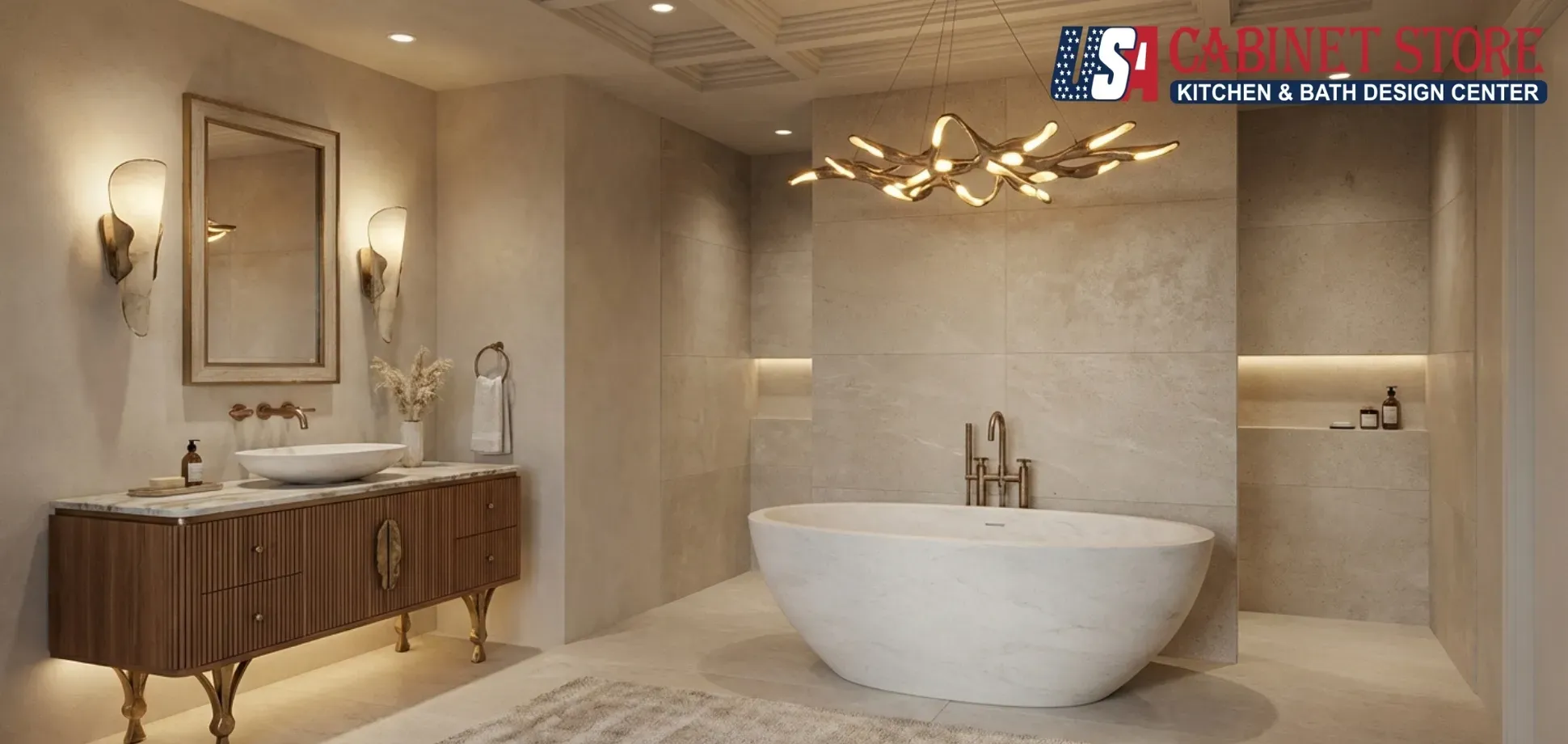
Bathrooms increasingly incorporate furniture-like elements and sculptural focal points. Freestanding bathtubs have emerged as standalone pieces of self-care furniture rather than optional features, serving as sculptural centerpieces that anchor bathroom design. Deep soaking tubs create at-home spa experiences emphasizing ritual and restoration with quiet luxury energy.
Vanities designed to resemble furniture rather than built-in cabinetry add warmth and personality to bathroom spaces. These furniture-style vanities feature varied heights, decorative legs, mixed materials, and unique hardware that distinguish bathrooms from generic commercial spaces.
Oversized and sculptural light fixtures make dramatic statements in 2026 bathrooms. Pendant lights, chandelier-style fixtures, and artistic sconces replace purely functional lighting with pieces that serve as decorative focal points. Proper lighting placement remains critical, with layered approaches combining recessed ceiling lights, task lighting, and ambient options creating bright, balanced spaces.
Frequently Asked Questions (FAQs) for Standard Shower Sizes for Optimal Bathroom Design
Is a 30×30 inch shower legally permitted under 2026 building codes?
Yes, a 30-inch by 30-inch shower is the absolute minimum dimension permitted by the International Residential Code (IRC). According to IRC Section P2708.1, shower compartments must have a minimum interior dimension of 30 inches by 30 inches, providing at least 900 square inches of floor space. However, while this size meets legal requirements, most design professionals recommend larger dimensions for comfortable daily use. A 36-inch by 36-inch shower (9 square feet) is generally considered the practical minimum for comfortable showering. The code also mandates a minimum ceiling height of 80 inches above the shower area.
How large does a bathroom need to be for a doorless walk-in shower?
For a doorless walk-in shower (also called a curbless or wet room design), your bathroom should accommodate a minimum shower area of 36 inches by 36 inches, plus adequate clearance space to prevent water spray from reaching other bathroom fixtures. Realistically, you’ll need a bathroom of at least 6 feet by 8 feet (48 square feet) to comfortably fit a doorless walk-in shower with proper clearances. The shower floor requires a continuous drainage slope of 1 in 80 (approximately 1/4 inch per foot) extending to the drain. Position the shower head strategically to direct water spray away from the open entry, and consider using a glass partition panel to contain moisture while maintaining the open aesthetic.
What is the minimum clear floor space required outside an ADA shower?
ADA transfer showers require a minimum clear floor space of 36 inches wide by 48 inches long measured from the control wall, positioned to allow wheelchair approach and transfer onto the built-in shower seat. For ADA roll-in showers, the standard configuration requires an adjacent clear floor space of 30 inches by 60 inches to accommodate wheelchair maneuvering. Additionally, shower entry clearances must provide a minimum of 24 inches of unobstructed space in front of the shower opening. These clearances ensure individuals using mobility devices can safely approach, enter, and exit the shower independently or with minimal assistance.
Does a tiled shower base increase home resale value more than an acrylic pan?
Custom tiled showers generally add more perceived value and appeal to potential buyers compared to prefabricated acrylic pans, particularly in higher-end properties. Modern homebuyers increasingly prioritize spa-like bathroom amenities and custom finishes, with the 2026 Bath Trends Report indicating strong preference for walk-in showers with upscale materials. However, the actual resale value increase depends on overall execution quality, neighborhood market standards, and design choices. A well-designed custom tiled shower with quality materials, proper waterproofing, and attractive finishes can command premium pricing. That said, prefabricated showers with modern aesthetics and quality finishes can also appeal to buyers seeking low-maintenance solutions. The key is ensuring professional installation and timeless design that maintains broad market appeal.
What is the minimum width for a two-person shower?
For comfortable dual occupancy, a two-person shower should measure at minimum 48 inches by 36 inches (12 square feet), though 60 inches by 42 inches (17.5 square feet) or larger is ideal for true comfort. These dimensions provide adequate space for two adults to move freely without constantly contacting each other or the walls. Dual-head shower systems require even more space to accommodate separate spray zones effectively. Luxury master bathrooms often feature dual showers measuring 60 inches by 48 inches or 72 inches by 48 inches, creating spa-like experiences with room for premium features like body sprays, rainfall heads, and built-in seating. When planning a two-person shower, consider installing dual shower controls at appropriate heights and positions to prevent temperature conflicts.
Do I need a sloped ceiling for a residential steam shower?
No, you don’t necessarily need a sloped ceiling for a residential steam shower, but it is highly recommended to prevent water dripping on users. Steam showers work most effectively with ceiling heights between 7 and 8 feet (84-96 inches), as taller ceilings require larger steam generators to fill the space efficiently. If you opt for a flat ceiling, use materials that won’t deteriorate from constant moisture exposure, such as ceramic tile or natural stone with proper waterproofing behind them. A sloped ceiling angled toward the walls (not over the seating area or where users stand) allows condensation to run down walls rather than dripping from above. The shower enclosure must be fully sealed with a door or panel system to contain the steam effectively. Minimum recommended dimensions for steam showers start at 48 inches by 36 inches, with enclosed volumes between 50 and 250 cubic feet being most efficient.
How do you measure the wall space needed for a 38-inch neo-angle shower?
To measure for a neo-angle shower, you need to determine the corner wall dimensions on both sides rather than measuring a single straight wall. A 38-inch neo-angle shower typically requires approximately 27 inches of clear wall space on each of the two walls forming the corner (38 inches ÷ √2 ≈ 27 inches per wall). Neo-angle showers feature an angled front panel cutting across the corner, creating more interior space than the external footprint suggests. When measuring, account for the shower base dimensions first, then add clearance for wall panels and framing, typically an additional 1-2 inches beyond the base on each side. Verify that door swing clearances or sliding panel operations won’t interfere with toilets, vanities, or other fixtures. Neo-angle configurations work exceptionally well in small bathrooms where maximizing corner space creates adequate showering area without overwhelming limited square footage.
Is 3/8 inch glass thick enough for a floor-to-ceiling frameless shower door?
For floor-to-ceiling frameless shower enclosures, 3/8 inch (10mm) glass is the minimum recommended thickness, though 1/2 inch (12mm) glass is preferred for heights exceeding 80 inches. The increased height creates additional weight and leverage at mounting points, requiring thicker glass for structural stability and safety. Frameless glass shower doors and panels must use tempered safety glass that shatters into small, relatively harmless pieces if broken. For standard-height showers (up to 72-80 inches), 3/8 inch glass provides adequate strength with proper hardware and installation. However, luxury installations with ceiling-height glass (96+ inches) should use 1/2 inch or even 5/8 inch glass to ensure long-term stability and safety. Professional installation is critical, as improper mounting or hardware selection can compromise even thick glass panels. Consult with a glass fabrication specialist who can calculate appropriate thickness based on your specific panel dimensions and mounting configuration.
What is the ideal depth for a built-in shower floating bench?
The ideal depth for a built-in shower bench ranges from 15 to 18 inches, providing comfortable seating without unnecessarily reducing shower floor space. This dimension accommodates most users while maintaining sufficient standing room in front of the bench. For accessibility and ADA compliance, transfer shower seats must be 15 to 16 inches deep and mounted 17 to 19 inches above the finished shower floor. Bench height is equally important: standard shower benches install at 17 to 19 inches for comfortable sitting and easy standing. Floating benches cantilevered from the wall create sleek, modern appearances and facilitate easier cleaning beneath them. Ensure the bench structure is properly reinforced within the wall framing to support user weight safely—typically 250-400 pounds depending on design. When incorporating a bench, increase overall shower dimensions to at least 60 inches by 42 inches to maintain adequate standing space alongside the seating area.
What is the standard height from the floor for a shower shampoo niche?
The standard height for a primary shower shampoo niche is 48 to 60 inches from the finished floor, positioning it at comfortable arm reach for most users while standing. Many shower designs incorporate two niches at different heights: a lower niche at 24-30 inches above the floor for body wash, soaps, and razors used while sitting or shaving legs, and an upper niche at 48-60 inches for shampoo, conditioner, and frequently accessed items. Standard niche dimensions range from 12 inches by 24 inches to 14 inches by 28 inches with 4-inch depth, accommodating standard toiletry bottles. When planning niche placement, coordinate with stud bay locations (typically 16 inches on center) and tile layout to ensure centered, visually balanced positioning. Recessed niches should be built during construction or renovation, with proper waterproofing membrane extending into the niche cavity. Avoid placing niches on exterior walls where moisture could create condensation issues.
Conclusion
Selecting appropriate shower dimensions represents one of the most important decisions in bathroom design and remodeling. Standard shower sizes ranging from compact 30-inch by 30-inch configurations to luxurious 72-inch by 48-inch walk-in installations offer options for virtually every bathroom layout, budget, and user requirement. Understanding building code minimums, accessibility standards, clearance requirements, and design best practices ensures your shower installation delivers optimal functionality, safety, and long-term value.
The 2026 bathroom design landscape emphasizes spa-like luxury features, accessibility considerations, and aging-in-place functionality integrated into attractive contemporary aesthetics. Homeowners increasingly prioritize generous walk-in showers with curbless entries, built-in seating, multiple shower heads, and sophisticated finishes over traditional tub-shower combinations. This shift reflects broader lifestyle changes valuing daily wellness rituals and home sanctuary spaces.
Successful shower design balances available bathroom space, user comfort needs, desired features, budget constraints, and long-term resale considerations. While minimum code dimensions ensure basic functionality, most users find dimensions of at least 36 inches by 36 inches necessary for comfortable daily use, with 48 inches by 36 inches or larger providing the space for premium features and optimal movement. Professional design consultation and installation ensure proper waterproofing, code compliance, and quality workmanship that protects your investment.
Whether you’re planning a compact guest bathroom renovation or designing a luxurious master suite retreat, understanding standard shower sizes and optimal design principles empowers informed decision-making. By selecting appropriate dimensions, incorporating quality materials, following building codes, and avoiding common design mistakes, you can create a shower space that enhances daily life while adding lasting value to your home.

Start Your Bathroom Remodeling Journey
USA Cabinet Store – Fairfax
📍 2832 Dorr Ave, Suite E, Fairfax, VA 22031
📞 (703) 436-6444
📧 fairfax@usacabinetstore.com
🕒 Mon-Fri 9:00 AM – 6:00 PM | Sat: 10:00 AM – 5:00 PM
Schedule Your Consultation
- In-Store Visit (90 min) – Experience our showroom, explore premium materials, and meet our design team.
- Virtual Consultation (60 min) – Discuss your project via video from the comfort of home.
- Quick Advice (30 min) – Get early planning guidance and budget expectations
Virginia Class A Contractor #2705182026 | Maryland License #98655
BBB A+ Accredited Since 2013 | Best of Houzz Service 2016-2025
Member: NARI, NKBA, NVBIA
This blog post is intended for informational purposes. Costs, timelines, and ROI figures represent typical ranges and may vary based on specific project requirements, material selections, and market conditions. Consult with USA Cabinet Store for detailed estimates tailored to your specific remodeling project.