
A kitchen renovation is on the top of many homeowners’ lists of projects they want to complete. Building your kitchen to match your vision can transform your home into a more enjoyable space, whether you’re cooking meals for family or hosting gatherings. A thoughtfully designed custom kitchen elevates both the functionality and aesthetic appeal of your home.
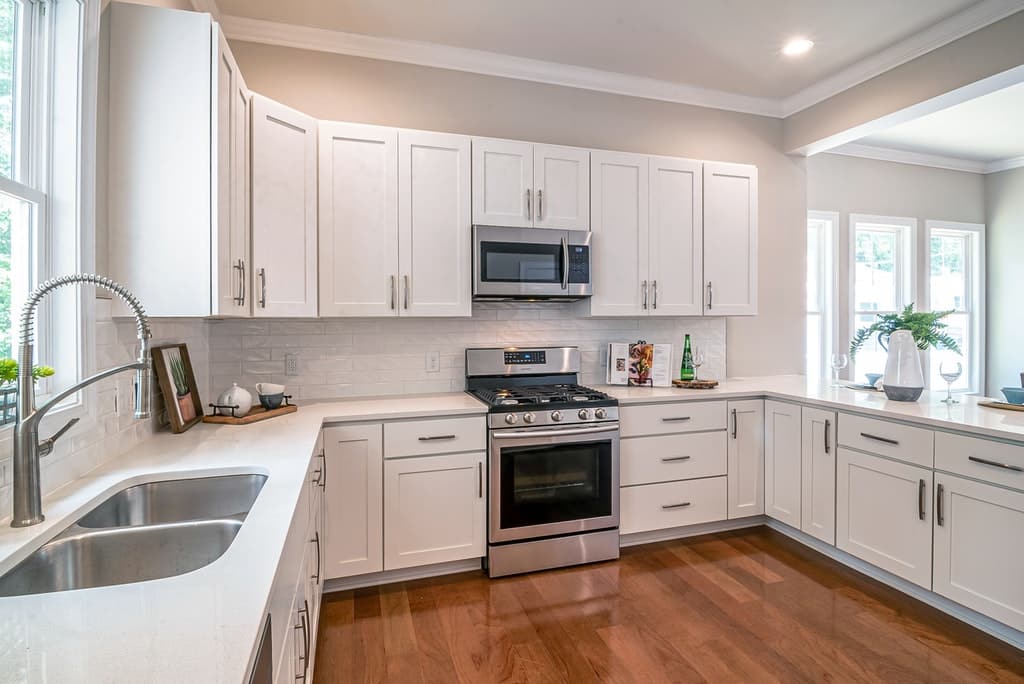
Table of Contents
However, significant planning and preparation must happen before work begins. One of the biggest obstacles homeowners face is understanding the actual timeline for a kitchen remodel, as it can be a lengthy process where you may not have full access to your kitchen during construction.
If you’re considering a kitchen remodel, understanding exactly how long the process will take is essential for planning your household’s daily routines and managing expectations. The reality is that all kitchen remodels are different and will take varying amounts of time depending on the project’s scope and complexity. This updated guide provides a comprehensive breakdown of how long each phase of a kitchen remodel typically takes in 2025, along with practical tips to keep your project on track and insights into emerging 2026 trends.
Most kitchen remodeling projects will take between 3 to 6 months from start to finish, though smaller updates can be completed in 4-8 weeks, while full-scale remodels with structural changes may extend beyond 6 months.
Key Takeaways for How Long Does it Typically Take to Remodel a Kitchen
-
Small cosmetic updates: 2-6 weeks of construction
-
Medium remodels (cabinet and appliance upgrades): 8-12 weeks of construction
-
Full kitchen remodels (structural changes): 12-16+ weeks of construction (3-6 months total including planning)
-
Cabinet lead times are the biggest delay factor: Plan 2-3 weeks for stock cabinets to 16+ weeks for semi-custom options
-
Always add 25-50% buffer time to account for unforeseen delays and complications
-
Finalize all decisions before work starts to avoid costly change-order delays
-
Order materials early during the planning phase to prevent construction postponements
Planning And Design Phase (1-3 Months)
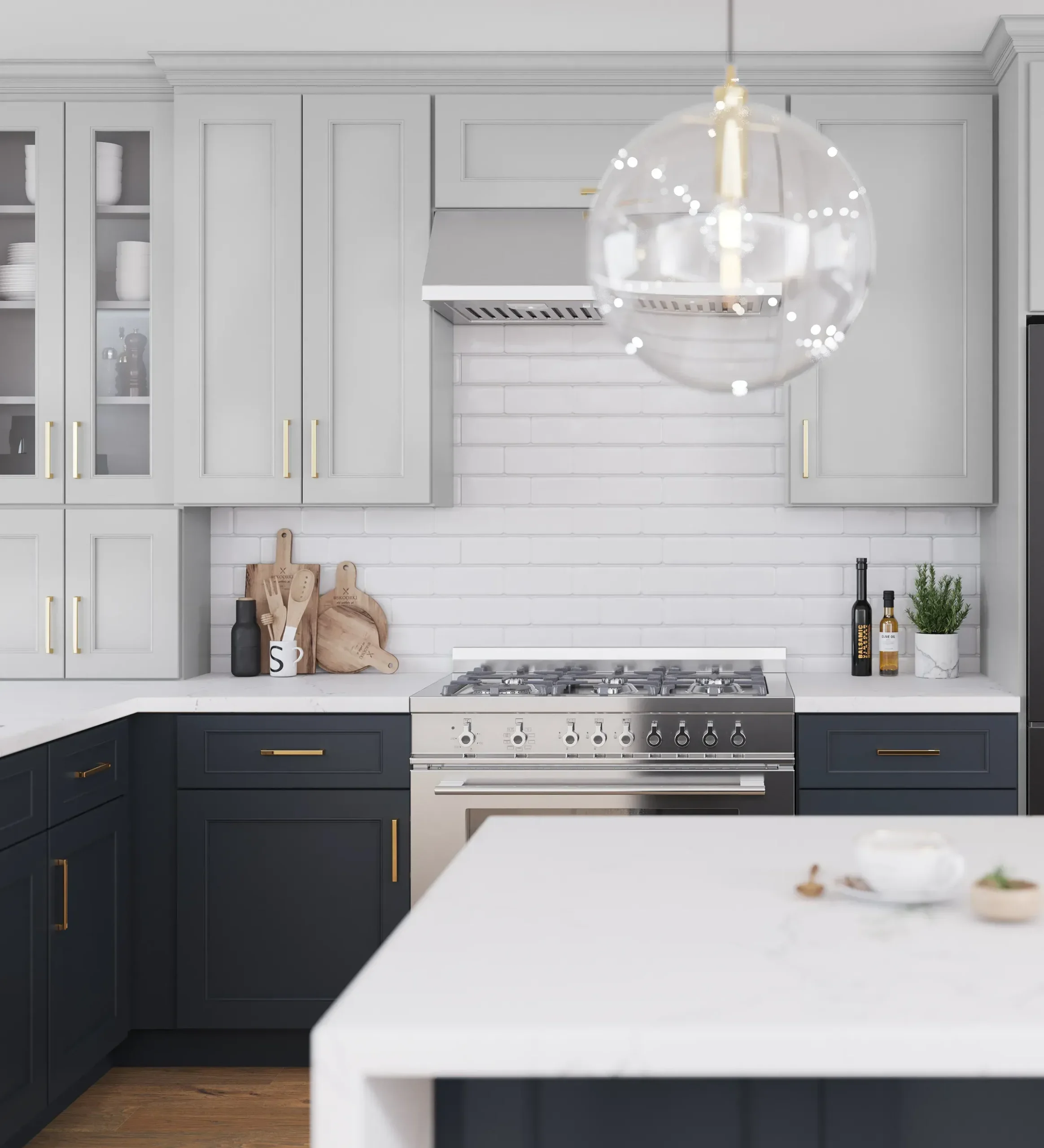
Before any construction work begins, the planning and design stage is critical to your project’s success. During this phase, you’ll collaborate with your architect, interior designer, and contractor to develop a comprehensive vision for your new kitchen. This is when you’ll make decisions about layout, materials, finishes, appliances, and design elements.
You should allocate at least 4-8 weeks for thorough planning and design work. This allows adequate time for:
-
Initial consultations and concept development
-
Material selection and comparison
-
Creating detailed drawings and 3D renderings
-
Finalizing budgets and timelines
-
Writing down your typical cooking workflow to optimize layout
One of the most critical factors affecting your overall timeline is material lead times, particularly for cabinets. Modern cabinet lines typically have lead times ranging from 2-3 weeks for stock options to 10-16 weeks for semi-custom designs. High-end custom cabinets can take 20+ weeks. Professional appliances also have varying lead times—while standard appliances may ship within 2-4 weeks, high-end European ranges and specialty items can take 12+ weeks.
Your contractor will begin ordering materials during this stage, determining when actual construction can commence. Starting work before materials arrive only creates costly delays and work stoppages. The earlier you start planning—especially if you’re aiming for completion by a specific season—the better your chances of staying on schedule.
Pro Tip: Avoid tying your renovation to a specific event like hosting Thanksgiving dinner. Permit delays, material backorders, and unexpected structural issues can push timelines by weeks or months.
Demolition Phase (1-2 Weeks)
The demolition stage involves removing your old kitchen, including cabinets, countertops, appliances, and flooring. This phase typically takes 1-2 weeks for most kitchens, though larger or more complex demolitions may extend slightly longer.
During demolition, consider donating usable materials to organizations like Habitat For Humanity’s ReStore, which accepts and resells used building materials. This is both an environmentally responsible choice and potentially tax-deductible.
Important: This is when unexpected structural issues often reveal themselves—hidden water damage, outdated wiring, mold, or subfloor problems can add 1-4 weeks to your timeline and increase costs.
Structural And Rough-In Work (1-4 Weeks)
This phase includes all the foundational work that happens after demolition but before visible finishes are installed.
Structural Work (3 Days – 1 Week)
If you’re keeping your kitchen’s existing footprint, this step will be quick. However, if your remodel involves removing or relocating walls, this stage will take 3 days to 1 week. Structural changes require proper permitting and inspections, which can add additional time.
Utility Work (2-5 Days or Up to 2 Weeks)
If you’re relocating water lines, drains, electrical outlets, or gas lines, this work happens during this phase. If you can coordinate multiple subcontractors to work simultaneously, this step typically takes 2-5 days. However, if contractors must work sequentially due to scheduling or code requirements, the process may extend to 2 weeks.
Tip: To save time and money, keep utilities in their existing locations whenever possible. Each utility relocation adds both time and cost to your project.
Rough-In Inspections (1-2 Days)
Once all rough plumbing, electrical, and HVAC work is complete, inspections must be passed before proceeding. Plan for 1-2 days for this inspection process.
Painting (1-3 Days)
Painting typically happens after structural work is complete but before cabinet installation. This timing ensures clean walls without the risk of paint damage from cabinet installation. Depending on your kitchen’s size and the number of paint colors, painting usually takes 1-2 days, with an additional day for drying and touch-ups.
Installation Phase (2-4 Weeks)
This is where your kitchen transformation becomes visible. The installation sequence matters—each step depends on the previous one being completed properly.

Cabinet Installation (3-5 Days)
The time required depends on your cabinet type. Stock cabinets take 1-2 days to install, while semi-custom and fully custom cabinets may require 3-5 days. Cabinet installation must be completed before countertops, as countertops are templated and measured based on your installed cabinets.
Countertop Fabrication And Installation (2-4 Weeks)
Countertops are typically fabricated after cabinet installation so they can be precisely measured to your specific setup. Fabrication takes 1-3 weeks depending on material and complexity, and installation takes 1-2 days. This is usually the longest phase of the installation sequence.
Flooring Installation (2-3 Days)
Flooring should be installed after cabinets to protect your flooring investment from damage during cabinet work. Laminate flooring is the fastest to install (2 days), while tile or hardwood may take 2-3 days depending on the room size and pattern complexity.
Backsplash Installation (2-3 Days)
Backsplash installation typically takes 2-3 days, though more complex designs or premium materials like natural stone may require additional time.
Appliance Installation (1-5 Days)
Most appliance installation can happen relatively quickly—typically 1-2 days for standard units. However, if you’re installing high-end built-in appliances or complex ventilation systems, allow 2-5 days.
Lighting Installation (1 Day)
Light fixture installation usually takes about 1 day and can often happen while other contractors are working.

Finish Carpentry And Final Details (1-2 Weeks)
Final details pull your kitchen design together and include:
-
Crown molding and trim work
-
Hardware installation
-
Final paint touch-ups
-
Testing all appliances
-
Caulking and finishing details
-
Final inspections and punch-list items
This phase typically takes 1-2 weeks, depending on the complexity of your design.
Project Timeline By Scope
Understanding what type of project you’re undertaking helps set realistic expectations:
Small-Scale Updates (2-6 Weeks)
Simple cosmetic changes—such as cabinet refinishing, new countertops, or minor appliance upgrades without altering the kitchen’s layout—can be completed in 2-6 weeks of construction. These projects still require planning time but have minimal complexity.
Medium-Scale Remodels (8-12 Weeks)
More substantial changes, such as upgrading appliances, replacing cabinets, and adding features like a kitchen island while keeping the basic footprint, typically take 8-10 weeks of construction, potentially extending to 12 weeks based on material availability. The active construction phase is often around 2-3 months (8-12 weeks), with total project duration of 3-4 months when including planning.

Full Kitchen Remodels (12-24+ Weeks)
Complete kitchen makeovers with structural changes—such as moving walls, relocating plumbing, or rerouting electrical systems—require the longest timeline. The construction phase alone typically takes 10-16 weeks, with total project duration (including planning, permitting, and material lead times) ranging from 3-6 months or longer. Some particularly complex or historic home renovations can run well beyond 6 months, with 5-8 months or more being common for high-end custom projects.
Common Delays And How To Minimize Them
Even with excellent planning, delays can occur. Understanding common causes and planning accordingly can help keep your project on schedule:
Material Backorders (2-6 Weeks Delay)
Solution: Order materials well in advance, and have backup options selected. Start your timeline with material ordering in mind. Custom cabinets might take 3-4 months to build, and high-end ranges or refrigerators can have 10-12 week lead times.
Permit Approval Delays (1-4 Weeks Delay)
Solution: Submit permit applications early and work closely with your local building department. Ensure your contractor is experienced with your area’s specific requirements. Permit offices don’t operate on “sense of urgency,” so factor in realistic processing times.
Inspection Issues (1-2 Weeks Delay)
Solution: Ensure all work meets code requirements before scheduling inspections. Multiple interim inspections (framing, rough electrical, rough plumbing) may each add a few days of waiting time. Address any failed items immediately.
Unexpected Structural Issues (1-4+ Weeks or More)
Solution: Conduct a thorough pre-renovation inspection to identify potential problems. Budget flexibility for unexpected discoveries like asbestos that requires abatement or subfloor water damage. Old homes especially require extra time and care.
Contractor Scheduling Conflicts (Variable)
Solution: Secure contractor commitment early and maintain open communication. Stacking multiple trades too tightly can cause delays rather than save time. Some flexibility with scheduling can help prevent bottlenecks.
Change Orders Mid-Project (1-2+ Weeks Delay)
Solution: Finalize every design decision before demolition begins. Any changes made after construction starts typically cause at least 1-2 weeks of delay and increase costs significantly.
Professional Tip: Add 25-50% buffer time to your initial timeline estimate to account for unforeseen complications and delays. Most homeowners underestimate timelines significantly.

Pro Tips To Stay On Schedule
1. Finalize All Decisions Before Work Starts
Changes made after construction begins typically cause at least 1-2 weeks of delay. Lock in your design, materials, finishes, cabinet styles, hardware, countertops, backsplash, and appliances before the demolition crew arrives.
2. Order Materials Early
Cabinet lead times are the biggest factor affecting timelines. Start material ordering during the design phase, even if construction won’t begin for several months. Order appliances with long lead times simultaneously.
3. Choose An Experienced Contractor
Work with a contractor who manages design, product sourcing, and installation. Their experience coordinating multiple phases and subcontractors can significantly reduce delays and complications. Check their references and ensure they have local permitting expertise.
4. Plan For Temporary Kitchen Solutions
Have a realistic plan for how your household will function without a kitchen during construction (typically 4-16 weeks). Options include:
-
Setting up a temporary cooking station in another room
-
Meal prep and freezer cooking before demolition
-
Using countertop appliances like microwaves, toaster ovens, and electric kettles
-
Taking vacation time during the most disruptive phases
-
Relying more on takeout and meal delivery services
5. Keep Utilities In Existing Locations When Possible
Each utility relocation adds both time and cost. Unless absolutely necessary for your new design, keep plumbing, electrical, and HVAC where they are. This single decision can save 1-2 weeks of construction time.
6. Build In Contingency Time
The most common mistake is underestimating timelines. Plan for your project to take 25-50% longer than initial estimates, and you’ll be pleasantly surprised if it finishes on time.
7. Stay Flexible And Patient
Backorders, shipping delays, and unexpected issues are normal parts of any kitchen remodel. Maintaining flexibility and patience will reduce stress throughout the process.
8. Don’t Rush The Planning Process
Proper preparation regarding design, layout, materials, and budget ensures the best possible remodel outcome. Thorough research, sketches, and professional consultations prevent rushed decisions that lead to regret.
9. Understand The Work Triangle & Workflow
Plan your sink, stove, and refrigerator placement to create an efficient work triangle. Avoid excessive distance between these three points (which turns meal prep into cardio) while also avoiding cramped arrangements that make cooking feel like a competitive sport.

2026 Kitchen Design Insights & Emerging Trends
As we look ahead to 2026, several key trends are shaping kitchen design and functionality:
Smart Technology & AI-Powered Kitchens
By 2026, smart kitchens will be the norm rather than the exception. AI-powered systems are reshaping cooking, food storage, and how we interact with culinary spaces:
-
Voice-activated appliances – Ovens that preheat with voice commands, refrigerators that track inventory and expiration dates
-
AI-driven cooking assistants – Recipes that adapt in real-time based on pantry contents, reducing food waste
-
Smart ecosystem integration – Your stovetop communicating with your range hood, refrigerators updating grocery lists automatically
-
Connected appliances with sensors – Monitoring and adjusting performance autonomously for precision cooking
-
Touchless faucets and fixtures – Improved hygiene and convenience
Consumer acceptance of AI in kitchens has jumped dramatically, with homeowners recognizing real-life benefits in efficiency, energy savings, and personalized cooking experiences.
Sustainability At The Core
Sustainability is no longer a design choice—it’s an expectation. Irish and North American homeowners are increasingly aware of energy costs and environmental impact:
-
Energy-efficient appliances – New EU and North American regulations driving even more efficient dishwashers, refrigerators, and induction hobs
-
Water-saving fixtures – Integrated water filtration systems, eco-friendly boiling water taps that reduce kettle usage and water waste
-
Sustainable materials – Responsibly sourced timber, recycled quartz countertops, low-VOC paints, and eco-friendly finishes
-
Durability focus – Timeless designs that won’t need frequent remodeling, reducing long-term environmental impact
-
Solar panels and energy storage – Integration of renewable energy systems into kitchen planning
These features not only benefit the planet but also reduce household utility bills significantly.
Color Palettes: Earthy Neutrals & Nature-Inspired Shades
The 2026 color story emphasizes warmth, connection to nature, and “understated confidence”:
-
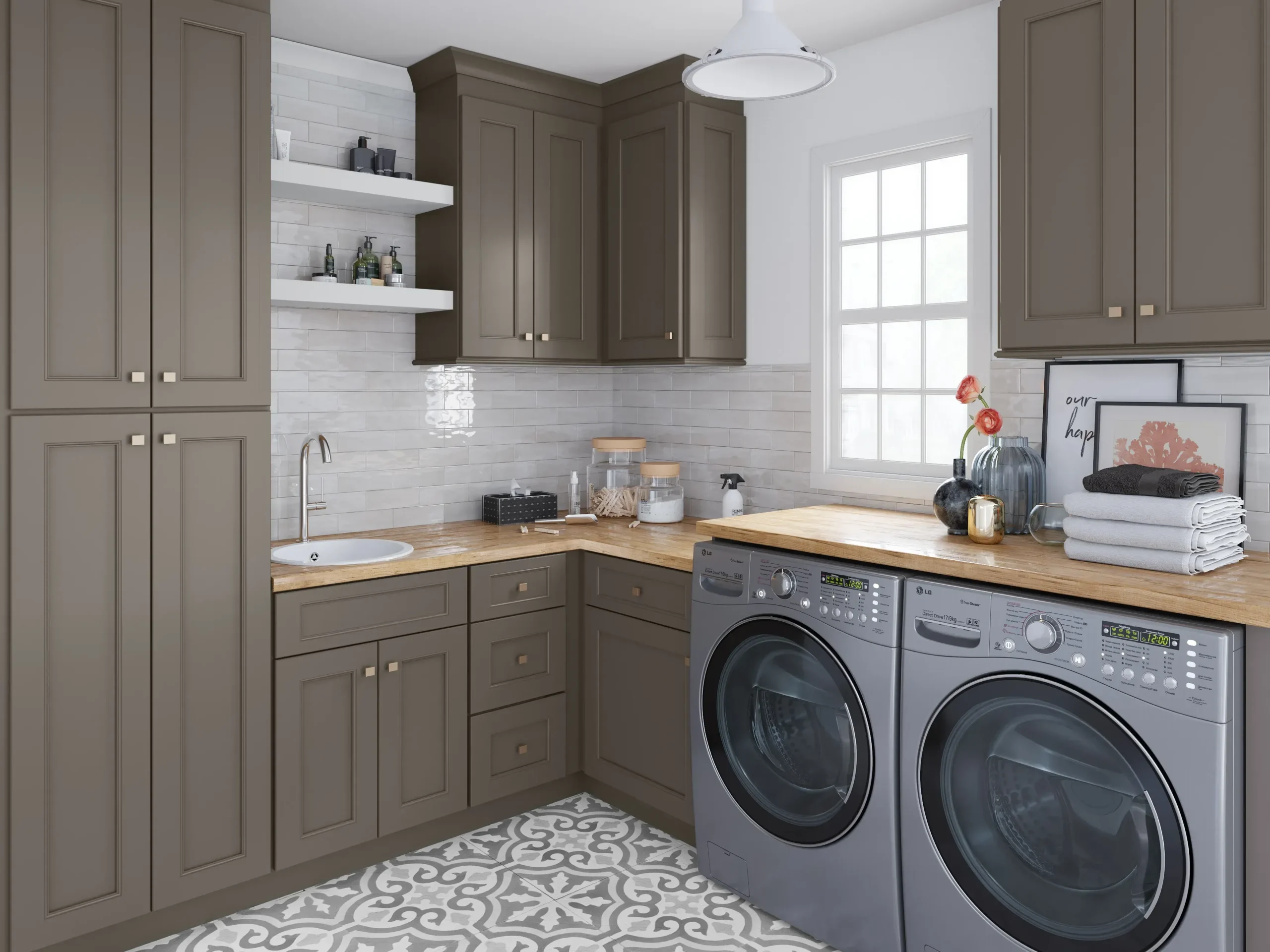
Trending colors: Mushroom beige, warm taupe, creamy ivory, eucalyptus green, deep terra cotta, forest green, charcoal black
-
Two-tone kitchens: Light upper cabinets (cream or greige) paired with darker base units or islands (forest green, anthracite, or rich wood textures)
-
Color blocking: Strategic use of contrasting tones to define zones and add visual interest
-
Warm metallics: Brass, aged bronze, and copper hardware and fixtures as accents
-
Matte finishes: Moving away from high-gloss surfaces toward tactile, matte cabinetry
These palettes create kitchens that feel grounded, sophisticated, and timeless rather than trendy.
Texture & Natural Materials
Mixing materials and textures adds depth while helping kitchens outlast passing trends:
-
Ribbed or fluted wood panels on cabinetry and islands
-
Natural stone with visible veining and character
-
Mixed metal finishes throughout hardware and fixtures
-
Matte and satin surfaces replacing glossy finishes
-
Tactile backsplashes featuring handmade tiles or natural stone
Multifunctional & Wellness-Focused Spaces
Kitchens are evolving beyond cooking spaces into multifunctional hubs:
-
Wellness integration – Built-in water filtration systems, steam ovens that retain nutrients, dedicated juicing/smoothie stations
-
Connection to nature – Large windows, glass doors for natural light, indoor herb gardens
-
Flexible zoning – Distinct areas for cooking, eating, working from home, and family activities
-
Healthier air quality – Powerful vent hoods and improved ventilation systems
-
Universal design principles – Aging-in-place features like soft-close drawers, pull-outs, wider walkways, and lever handles that work for everyone
Smart Lighting & Natural Light Prioritization
Lighting design is becoming increasingly sophisticated:
-
Layered lighting schemes – Pendants, under-cabinet strips, recessed lighting, and smart controls
-
Natural light maximization – Larger windows, skylights, and glass doors
-
Energy-efficient LED systems throughout
-
Voice and app-controlled lighting for convenience and ambiance

Frequently Asked Questions for How Long Does it Typically Take to Remodel a Kitchen
What’s the fastest timeline for a kitchen remodel?
Simple cosmetic updates with no structural changes can be completed in 4-6 weeks of construction time. This includes projects like new countertops, cabinet refinishing, or minor appliance upgrades that don’t alter your kitchen’s layout or utilities. Total project time including planning would be 1-2 months.
Why do cabinet lead times matter so much?
Cabinets are typically the longest-lead item in a kitchen remodel. Stock cabinets ship in 2-3 weeks, semi-custom options take 10-16 weeks, and custom cabinets can take 20+ weeks to manufacture. Since your countertops must be measured and fabricated based on installed cabinets, a long cabinet lead time delays your entire project. The most popular cabinet lines currently have 16-week lead times due to high demand and ongoing supply chain factors.
Can I speed up my kitchen remodel timeline?
Yes, several strategies help accelerate timelines:
-
Keep utilities in existing locations (saves 1-2 weeks)
-
Choose stock or semi-custom cabinets instead of fully custom
-
Finalize all decisions before work starts to avoid change-order delays
-
Hire an experienced contractor who coordinates multiple phases efficiently
-
Order materials during the planning phase, not after demolition
-
Avoid tying your project to specific event deadlines
-
Ensure permits are submitted and approved before scheduled start dates
Should I expect my project to take longer than estimated?
Yes, absolutely. Most kitchen remodels take 25-50% longer than initial estimates. Common causes include permit delays, material backorders, inspection issues, and unexpected structural problems discovered during demolition (water damage, mold, outdated wiring). Always build substantial buffer time into your timeline expectations.
What’s the most disruptive phase of a kitchen remodel?
The demolition and rough-in phases (weeks 1-4 of construction) are typically the most disruptive, as your kitchen is completely non-functional during this time. Planning temporary cooking arrangements, setting up a makeshift kitchen area in another room, and having alternative meal solutions ready is essential for maintaining household routines.
What kitchen color palettes are trending for 2026?
Earthy neutrals and nature-inspired shades will dominate in 2026—think mushroom beige, taupe, warm ivory, eucalyptus green, and deep terra cotta. Two-tone kitchens are particularly popular, pairing light upper cabinets (cream or greige) with darker base units or islands (forest green, anthracite, or wood textures). Designers are also leveraging color blocking and warm metallic accents for a contemporary yet timeless look that won’t feel dated in a few years.
Is it worth choosing VR 3D design services before remodeling?
Absolutely. VR and 3D design technology lets you visualize various cabinet colors, tile options, countertops, lighting schemes, and even walk through your new kitchen layout—all before making costly decisions and commitments. VR walk-throughs help you catch design flaws early, allow instantaneous comparisons of color schemes and configurations, and significantly reduce expensive change orders and cost overruns during construction. This technology has become standard at leading remodeling companies.
What new features are customers demanding for 2026 kitchens?
Top requests for 2026 include sustainable materials, touchless faucets, integrated smart appliances (voice-activated, AI-powered), bold statement backsplashes, dramatic range hoods, layered natural textures, walk-in pantries, built-in water filtration systems, energy-efficient lighting with smart controls, and wellness features like steam ovens and indoor herb gardens. Multifunctional spaces that accommodate working from home alongside traditional cooking are also in high demand.
How much does timeline affect the overall cost?
Timeline delays significantly impact costs in multiple ways. Extended timelines mean longer contractor fees, increased overhead and labor costs, potential material price increases if items must be reordered, additional carrying costs if you’re paying for temporary housing, and opportunity costs of not enjoying your finished kitchen. Ordering materials early, avoiding mid-project changes, and working with experienced contractors helps control both time and budget simultaneously.
What are the biggest kitchen renovation mistakes to avoid?
The most common and costly mistakes include:
-
Rushing the planning process without proper preparation
-
Following trends too closely instead of choosing timeless foundations
-
Underestimating storage needs and forgetting specialized organizers
-
Installing an oversized or undersized island for your space
-
Choosing poor-quality materials to save money initially
-
Putting form over function in design decisions
-
Forgetting the work triangle and natural workflow
-
Not planning for aging-in-place features
-
Tying renovation completion to specific events
-
Skipping permit applications or pre-renovation inspections
-
Not having a temporary kitchen plan during construction
What happens if my contractor discovers problems during demolition?
Unforeseen structural issues like hidden water damage, mold, asbestos, or severely outdated electrical systems can add 1-4+ weeks to your timeline and increase costs. A pre-renovation inspection conducted by a qualified inspector can identify many problems early, allowing your contractor to budget realistic timelines and costs from the start. Always maintain a contingency fund (typically 10-20% of budget) for unexpected discoveries, especially in older homes.
How do I plan for not having a kitchen during construction?
Develop a comprehensive temporary kitchen strategy:
-
Set up a cooking station in your dining room, basement, or garage with a microwave, toaster oven, electric kettle, and mini-refrigerator
-
Do extensive meal prep and freezer cooking before demolition begins
-
Designate a “dishwashing station” with bins for dirty dishes
-
Stock up on paper plates and disposable utensils to minimize cleanup
-
Plan for more takeout and meal delivery services
-
Consider taking vacation time during the most disruptive phases
-
Set up a coffee/beverage station to maintain morning routines
-
Communicate clearly with family members about expectations and routines
Conclusion
Kitchen remodeling timelines vary significantly based on project scope, material selections, contractor coordination, and unforeseen circumstances. While a simple kitchen renovation might take 4-8 weeks of construction, a full-scale remodel with structural changes typically requires 3-6 months total, including planning and material lead times. Some complex, high-end, or historic home renovations can extend to 5-8+ months.
The key to a successful kitchen remodel is setting realistic expectations from the start, ordering materials early to account for substantial lead times (especially cabinets at 10-16+ weeks), working with an experienced contractor who coordinates all phases effectively, and maintaining flexibility when inevitable challenges arise. Always build in 25-50% buffer time beyond initial estimates—most kitchen remodels take longer than anticipated, but the result is well worth the wait.
As you plan your 2025-2026 kitchen remodel, consider not only timeline and budget but also emerging trends in sustainability, smart technology, and timeless design choices that will serve you well for decades to come.
Experience The Future: VR 3D Design Services
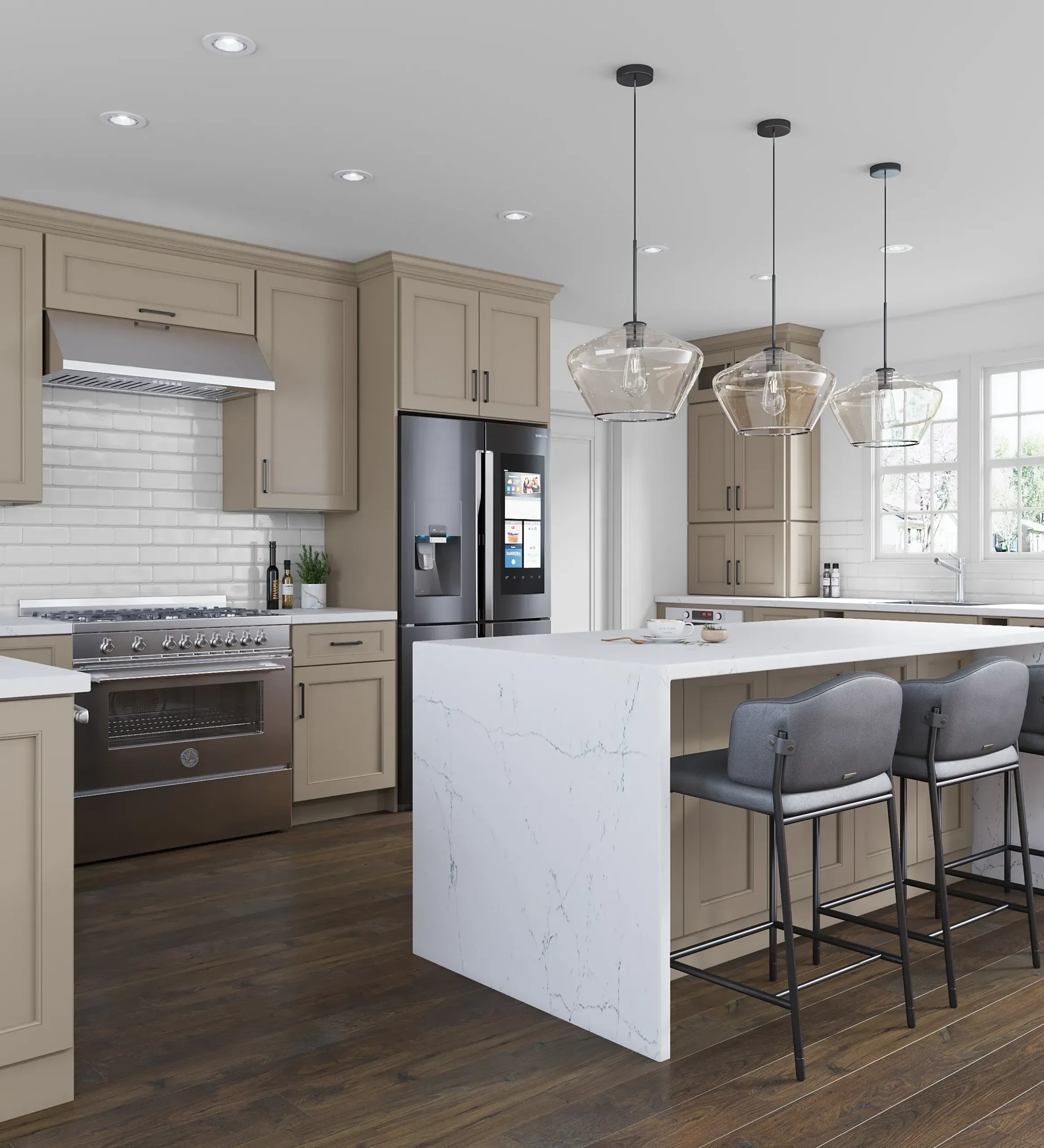
To help customers confidently visualize and select from innovative color palettes, materials, and layouts trending in 2026, USA Cabinet Store provides complimentary VR 3D design consultations at all showroom locations. Homeowners can walk through multiple color schemes—from warm taupe and mushroom beige to dramatic two-tone combinations with forest green and charcoal—as well as cabinet styles, tile and countertop combinations, hardware finishes, and lighting options.
This immersive technology ensures no surprises at installation, allows you to compare countless design variations instantly, helps catch potential layout issues before construction begins, and streamlines the entire kitchen and bath remodeling decision-making process. You’ll make confident choices about your investment, reduce change orders that delay timelines, and truly see your dream kitchen before a single cabinet is installed.
Visit USA Cabinet Store’s 13 Showroom Locations
Whether you’re exploring the warmth of taupe cabinets, the drama of charcoal and forest green, or want to try an on-trend two-tone look with warm metallic touches—let USA Cabinet Store bring your vision to life with comprehensive kitchen and bath remodeling services. We provide custom cabinetry, countertops, tiles, sinks, faucets, and hardware, managing projects from initial consultation through final installation.
Kitchen & Bathroom Remodeling Showrooms
Schedule your complimentary design consultation at our showrooms across Virginia, Maryland, Texas, New Jersey, Missouri, Florida, and Tennessee.
Mid-Atlantic Region
-
Fairfax, VA
-
Chantilly, VA
-
Ashburn, VA
-
Tyson’s Corner, VA
-
Columbia, MD
South & Central
-
Houston, TX
-
Dallas, TX
-
St. Louis, MO
-
Nashville, TN
-
Tampa, FL
Northeast
-
Cherry Hill, NJ
Ready To Transform Your Kitchen?
Experience the future of kitchen remodeling at USA Cabinet Store:
✅ Book your complimentary VR 3D design consultation today – See your dream kitchen in immersive virtual reality before making any commitments
✅ Visit any of our 13 showroom locations across Virginia, Maryland, North Carolina, Texas, New Jersey, Missouri, Florida, and Tennessee
✅ View trending 2026 color palettes, materials, and layouts – From earthy neutrals to bold two-tone combinations
✅ Stay ahead of the latest trends with expert guidance from our award-winning remodeling team
✅ Get a realistic timeline estimate specific to your project scope, material selections, and local permitting requirements
✅ Explore our comprehensive services – Custom cabinetry, countertops, backsplashes, flooring, lighting, and full project management
Call, click, or stop by your local USA Cabinet Store showroom—see, design, and build your dream kitchen with total confidence!
Since 2011, USA Cabinet Store has been transforming houses into dream homes with beautiful, functional kitchens and bathrooms. Our philosophy is simple: “We believe that everyone deserves a beautiful home with functional, spectacularly designed kitchens and bathrooms. Our aim is to convert that dream into reality.”
Don’t let uncertainty about timelines delay your dream kitchen any longer. USA Cabinet Store is ready to turn your vision into reality with expert guidance, premium materials, professional installation, and innovative VR design technology.
Follow us on Instagram for before-and-after transformations, design inspiration, kitchen remodeling tips, and the latest 2026 trend updates.
USA Cabinet Store
Where Your Dream Kitchen Becomes Reality
Serving homeowners nationwide since 2011